A Studio of One's Own
A review of Odette Pauvert's Exhibition at La Piscine in January 2026
When I had a seedling of desire to be a writer, I looked at literature for inspiration, especially from female writers. Virginia Woolf's A Room of One's Own came up a lot.
The gist: A Woman who wishes to write literature needs to have a room of her own and enough money to sustain her.
Of course this was written in 1920s, where women of that time didn't grow up being educated and were forbidden to engage in literature (whether reading or writing), and had to watch men get educated and go on to achieve things in the world.
But over the years as the role of women in the household and outside has evolved, so has the opportunities for women to achieve. Yet over the years there are still barriers that need to be broken down for women to even begin on the same footing as men.
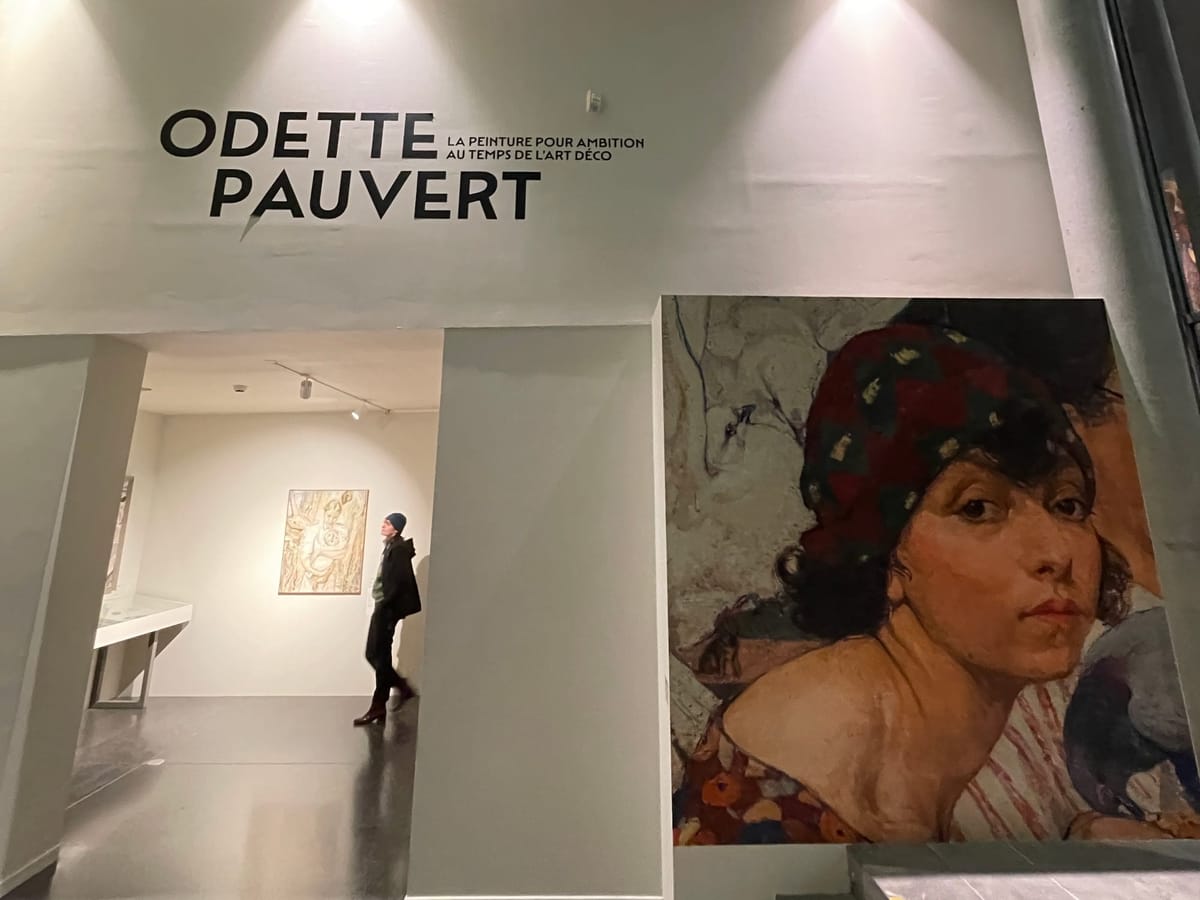
These were my thoughts as I viewed Odette Pauvert's La peinture pour ambition au temps de l'art deco (Painting as an ambition in the time of Art Deco) in La Piscine, Roubaix. The first woman to win the Prix de Rome in 1925, Pauvert was born in Paris, 1903 to a painter and copyist father, and a miniaturist mother. She had a sister, Marguerite, who was also a painter.
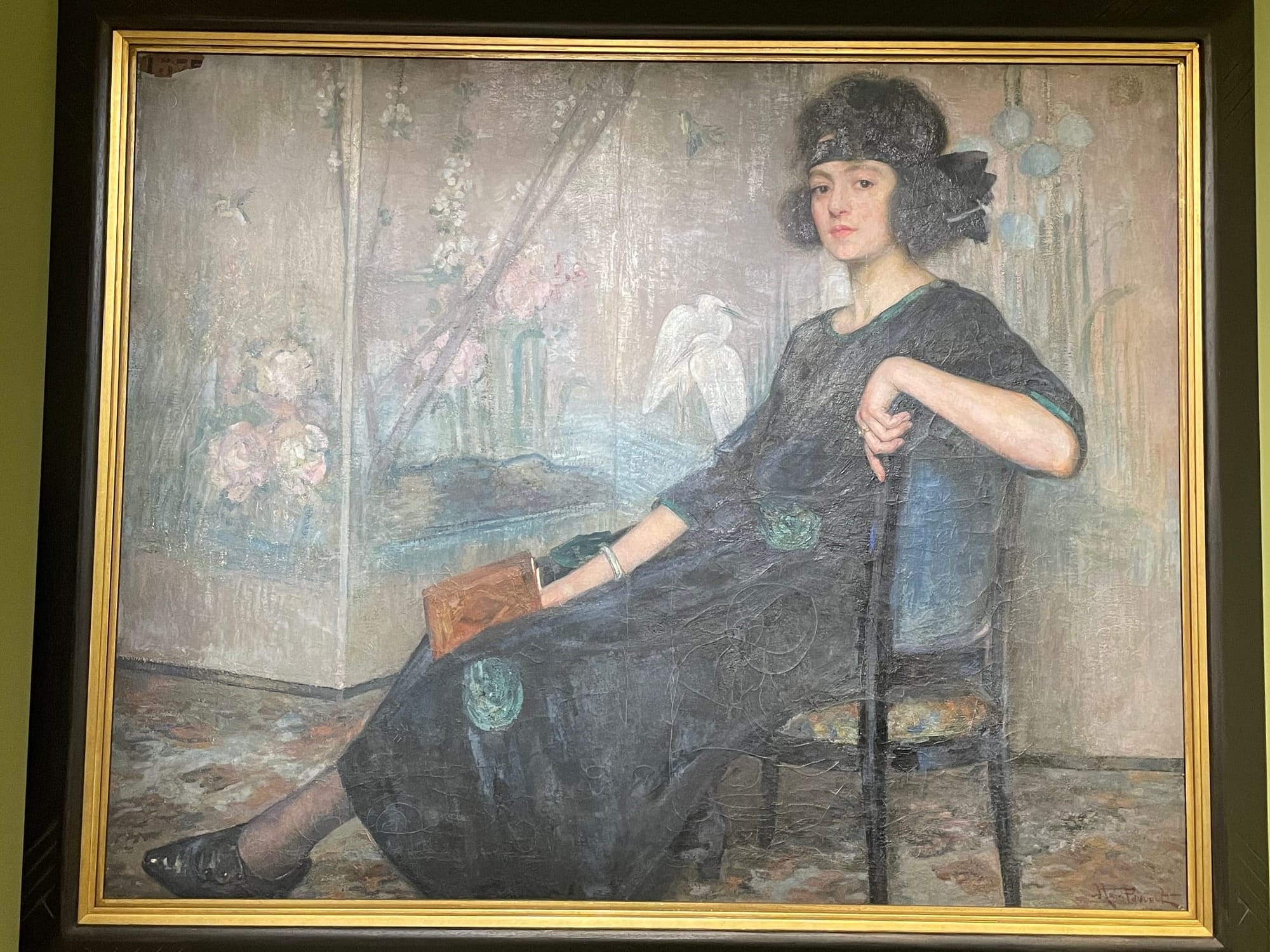
Pauvert spent her youth between her family's home and studio in Paris, and the countryside of Bretagne, where her mother was originally from. She enrolled in the École des beaux-arts de Paris (Paris School of Fine Arts) in 1922 and won multiple competitions before her prolific win at the Prix de Rome in 1925, making her the first woman to do so. The win gave her the opportunity to work on her art in the Villa Medici for 3 and a half years.
I was struck by the self-portraits that she created which were always prominently exhibited in public sphere and not hidden away in a studio somewhere. It asserts her status as an artist and increases visibility, in an art scene dominated by men (has it changed? ha).
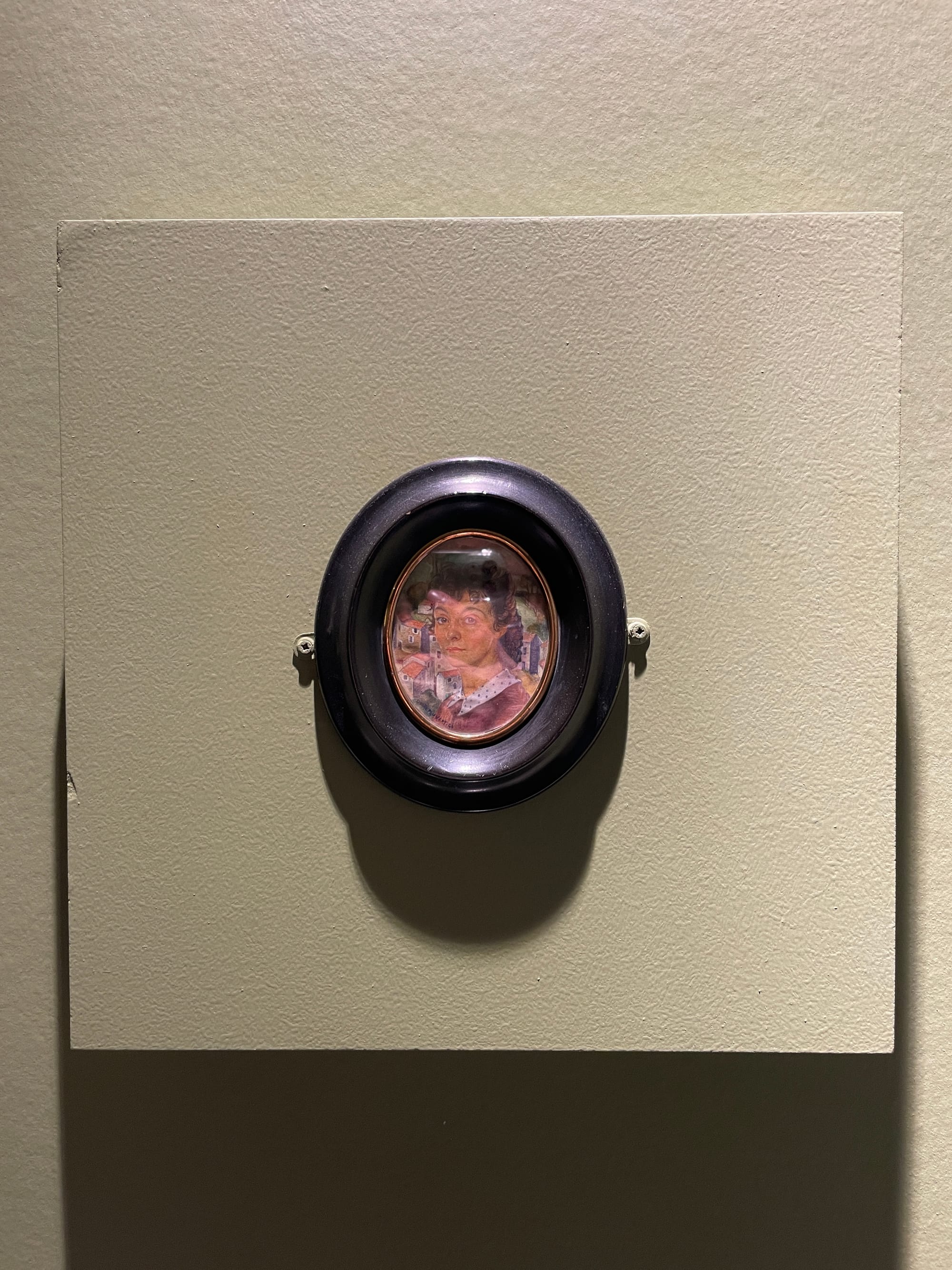
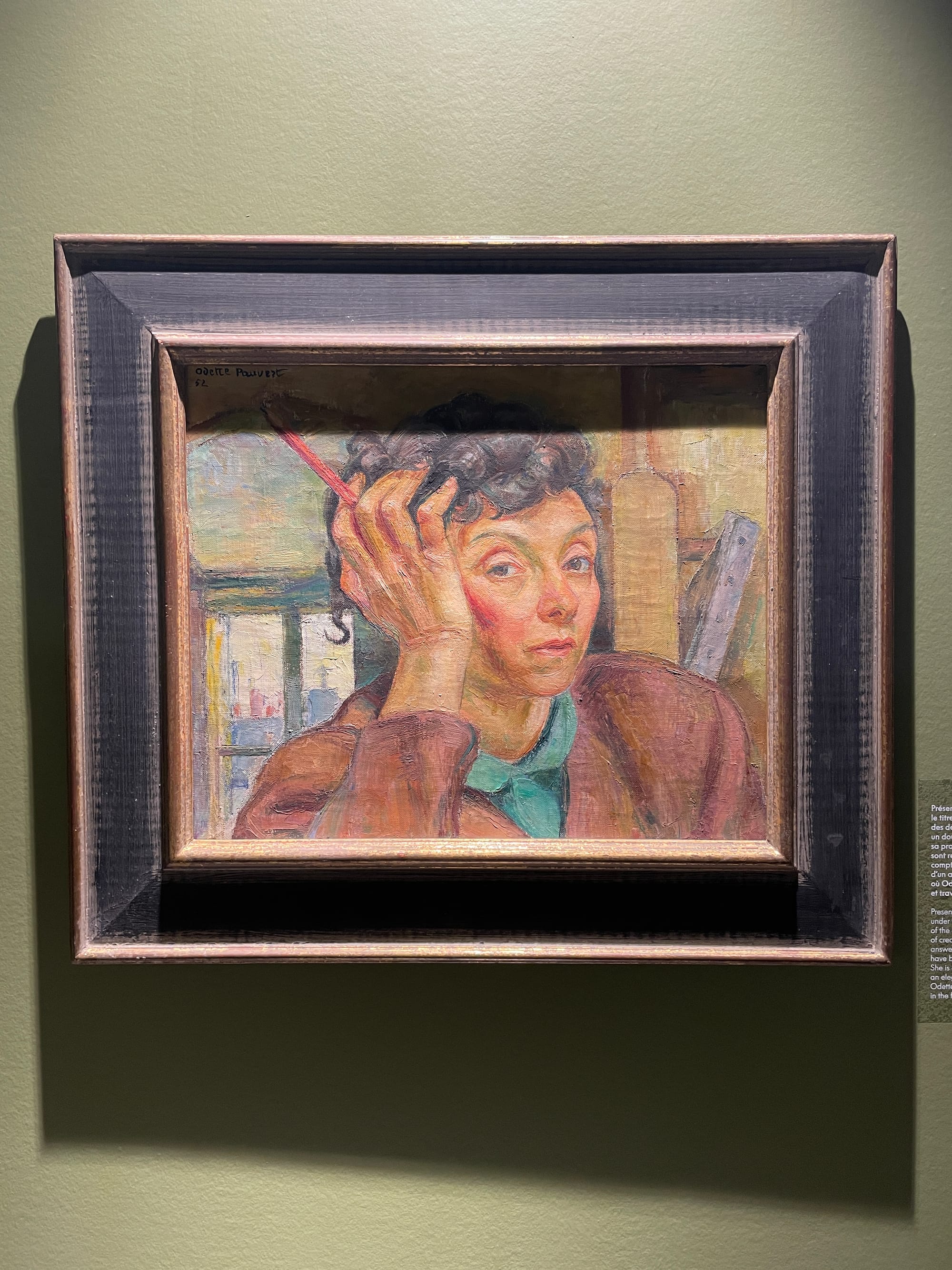
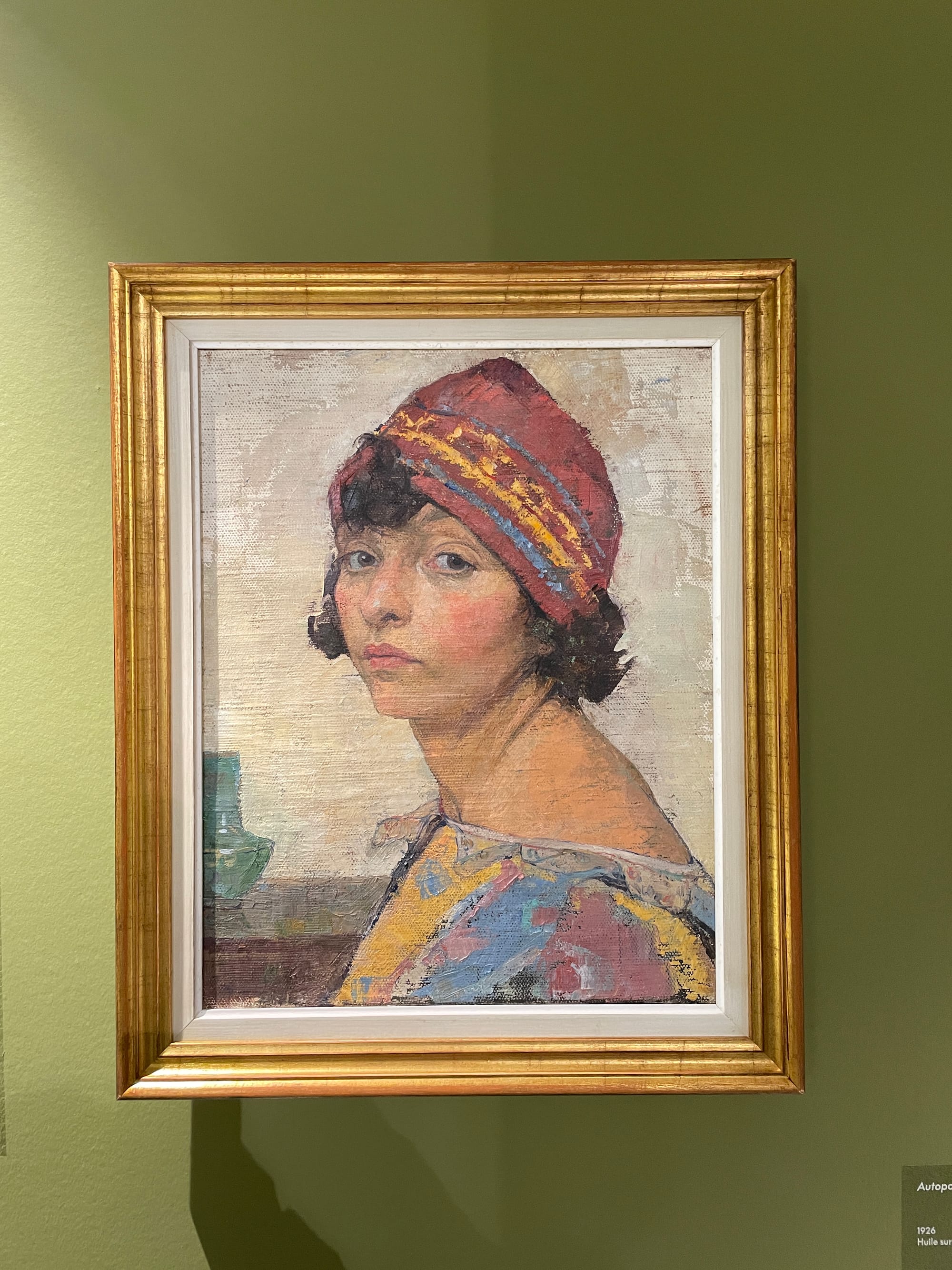
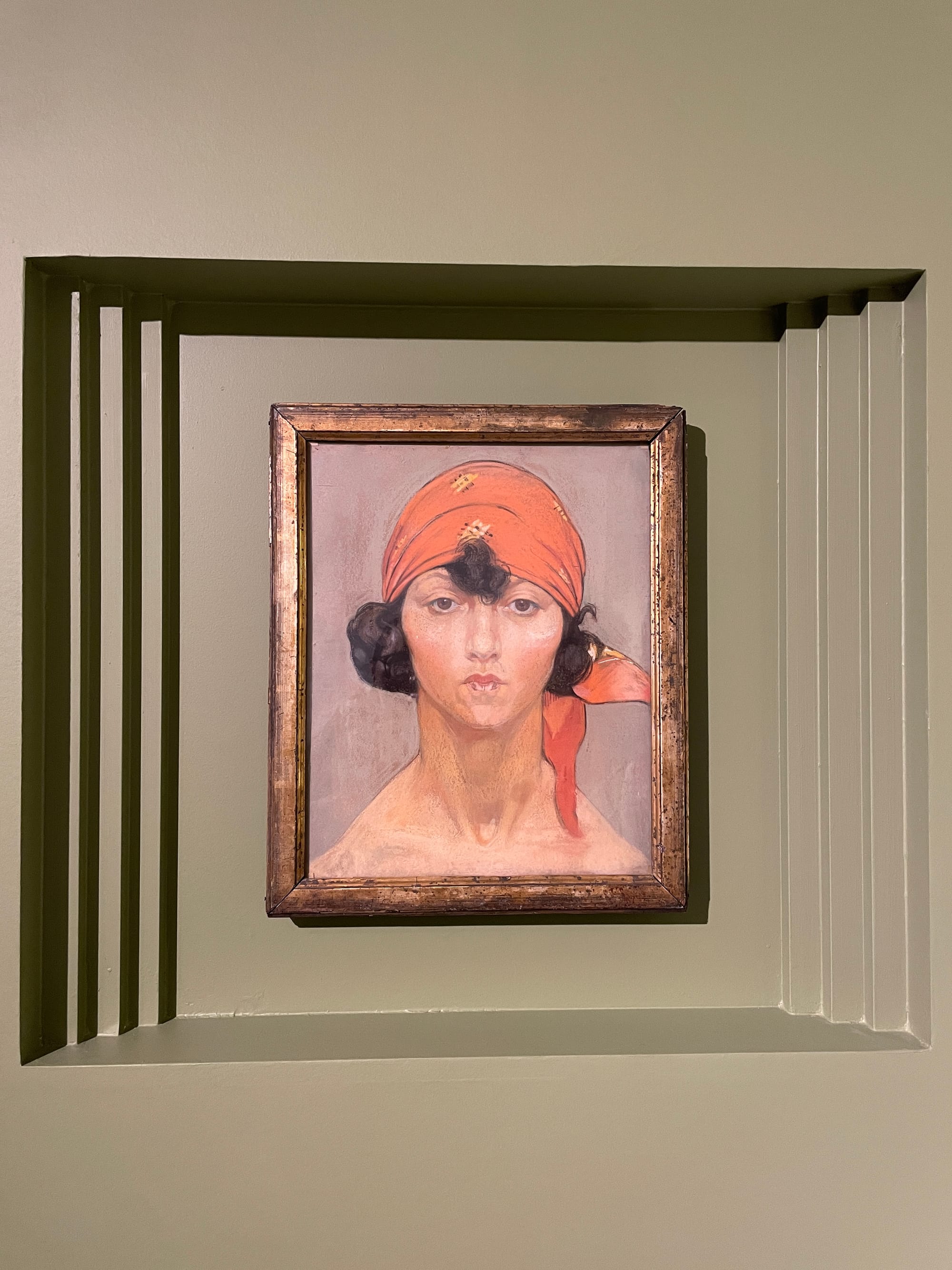
A selection of Odette's self-portraits on different mediums and in different times
In her younger days, she was always seen sporting an easier, shorter hairstyle with a cloche hat or tied into a bandana, which freed up valuable time for work and leisure activities.
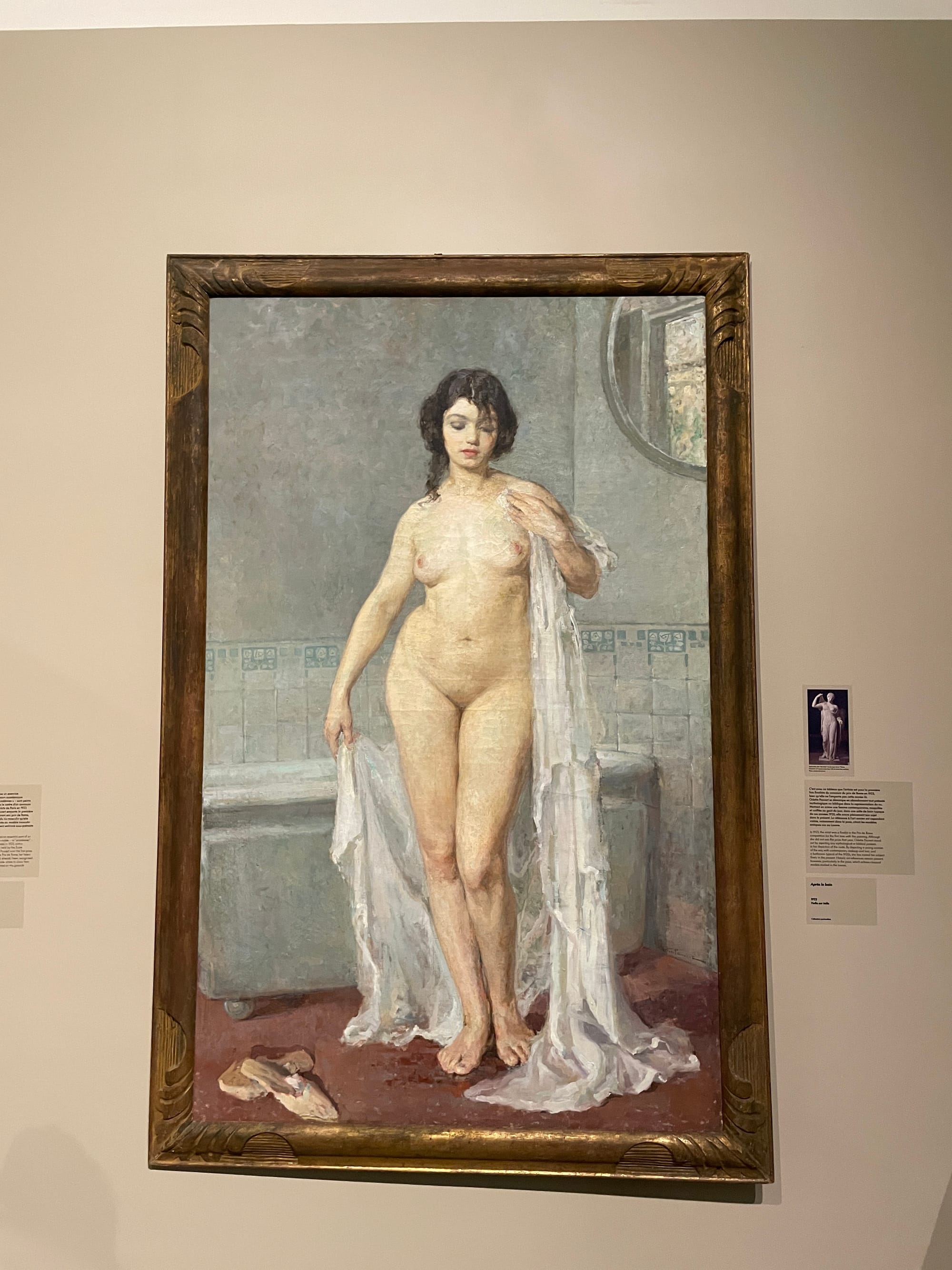
Life studies were an essential part of an artist's academic training yet in the past, opportunities for female artists to draw from male models were seriously limited on the grounds of moral concerns. Yet, the reverse isn't grounds for moral concern? Hmm 🤔
I found her family portrait at Villa Medici interesting due to the way she painted each person in a different style. A lot of her works were influenced by Italian Renaissance paintings especially by the Quattrocento masters. And I wonder if this was a nod to the time she spent in Villa Medici.
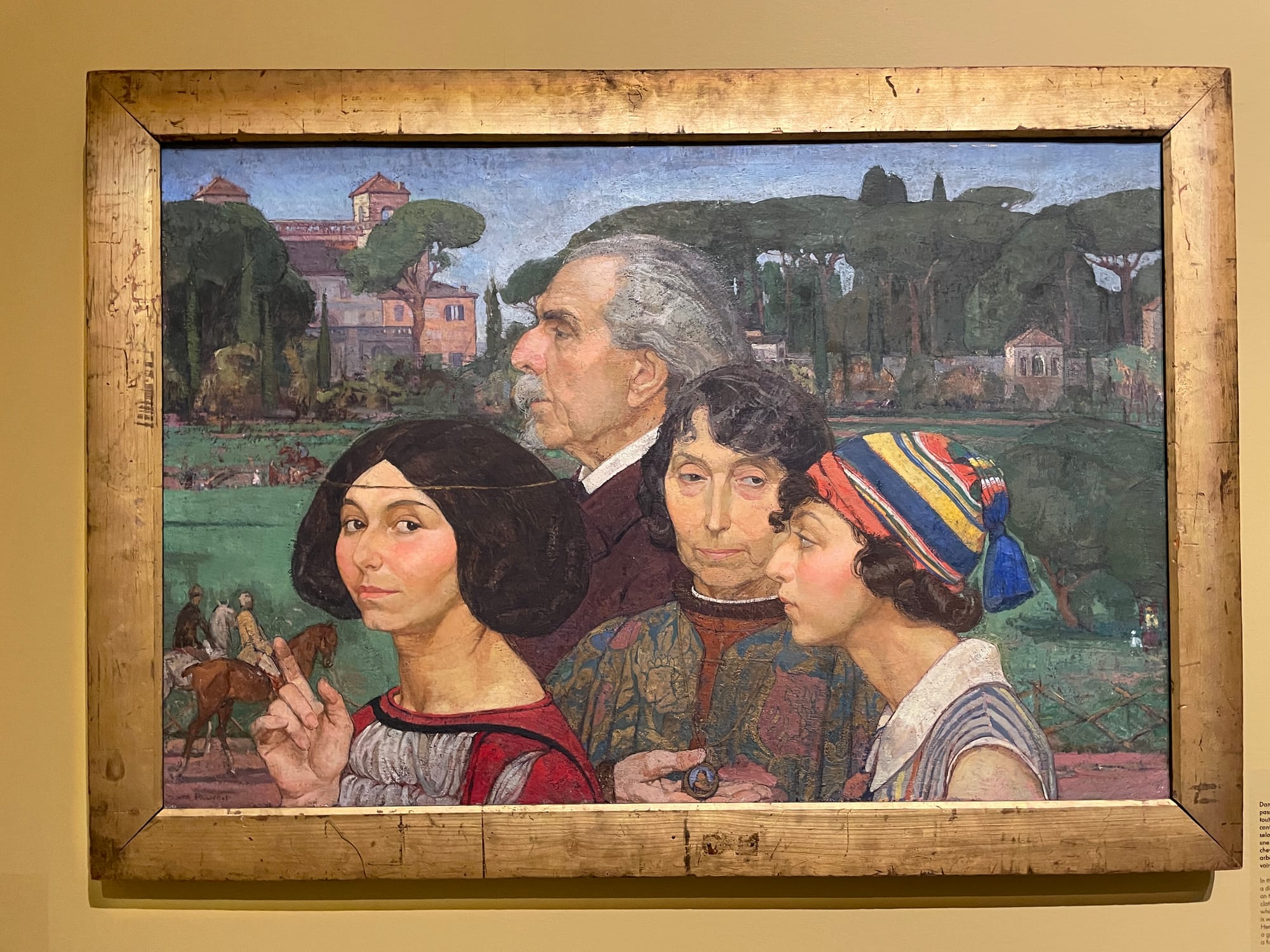
Why does it look like one of those candid photos you take as a family where only one person is aware of the camera? Lol, some things don't change over the years I guess. Her mum and sister were painted in 15th century Italian fashion, while her father and herself were painted just by the profile, another nod to Quattrocento masters like Boticelli.
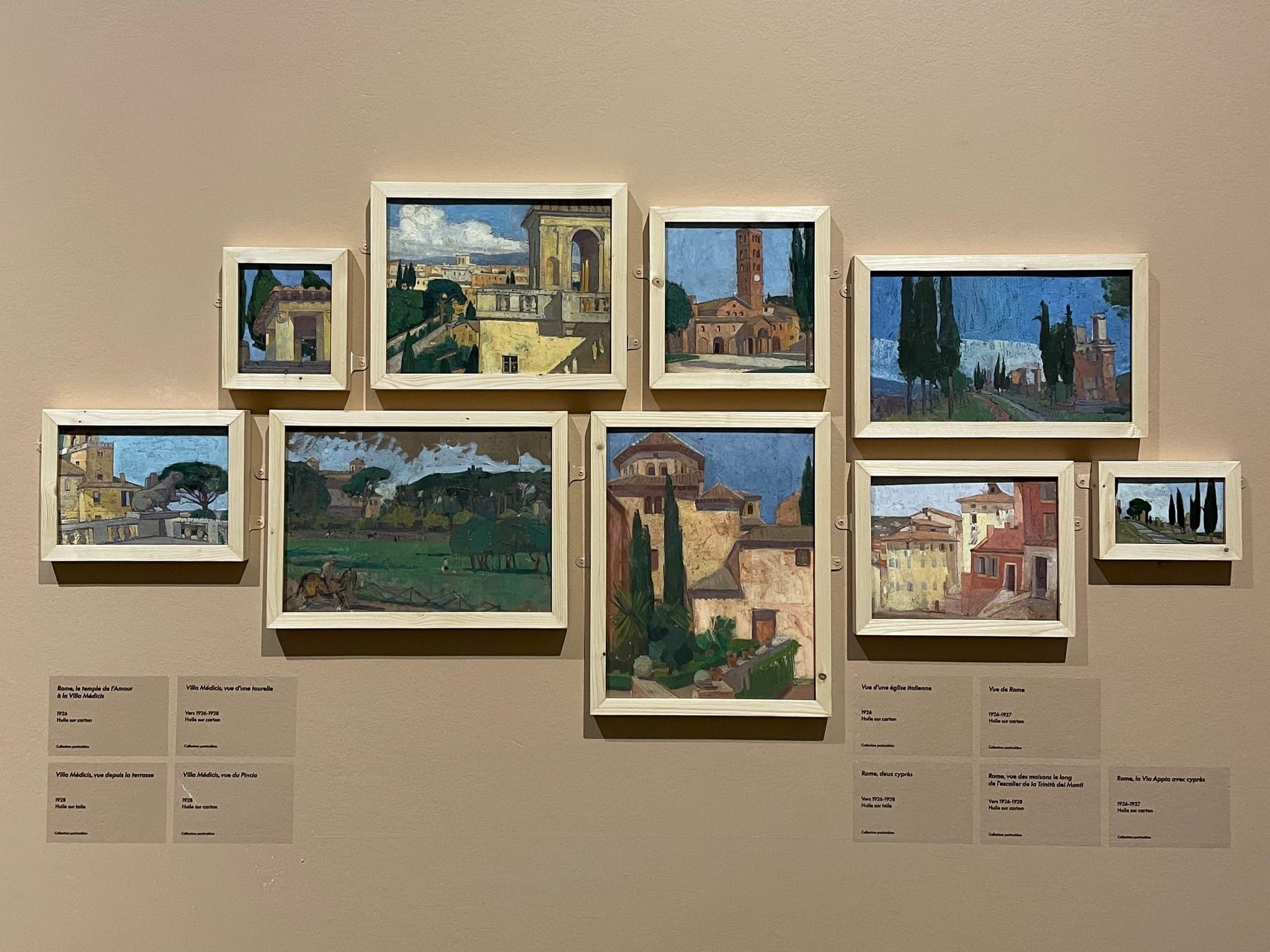
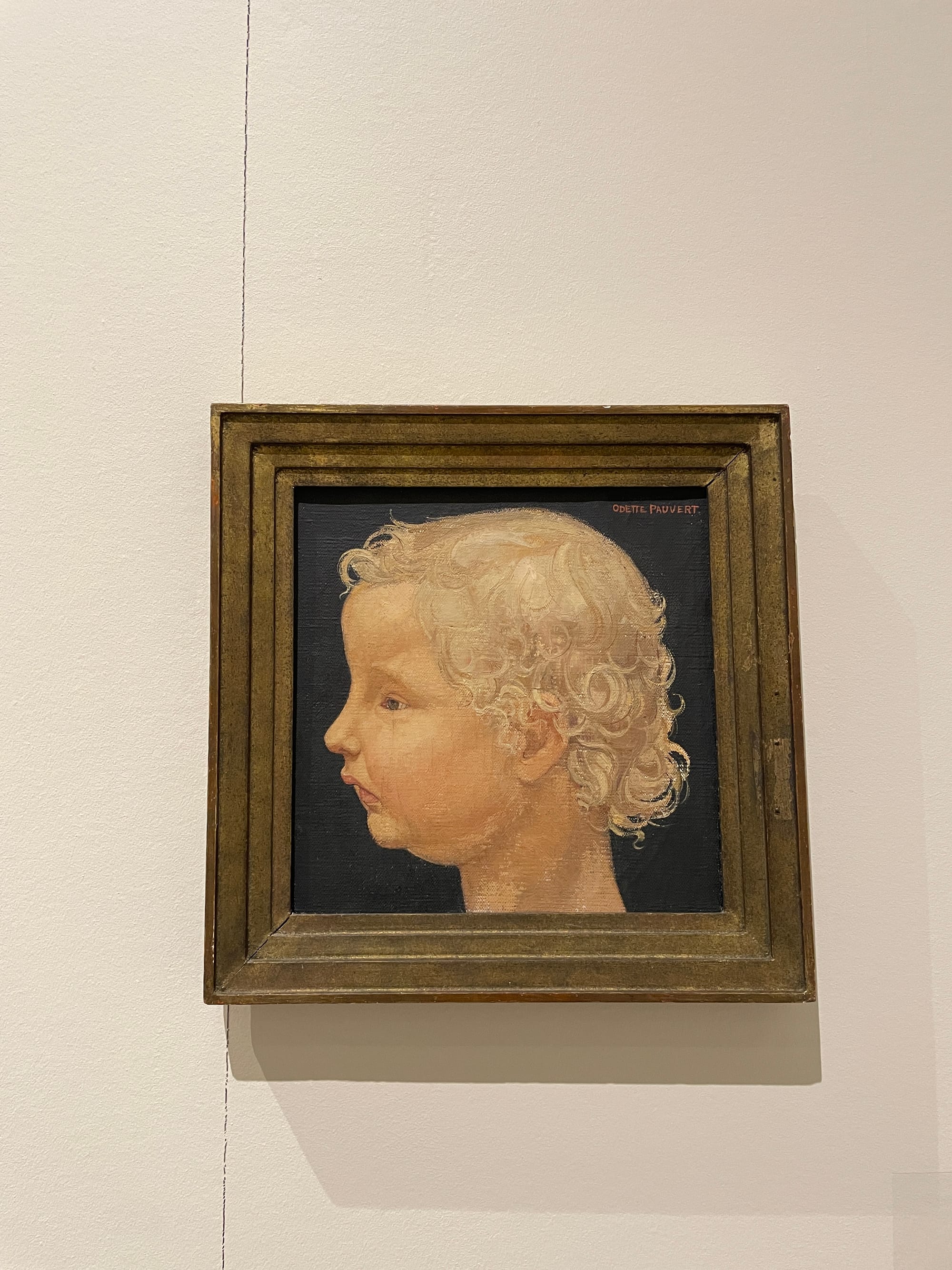
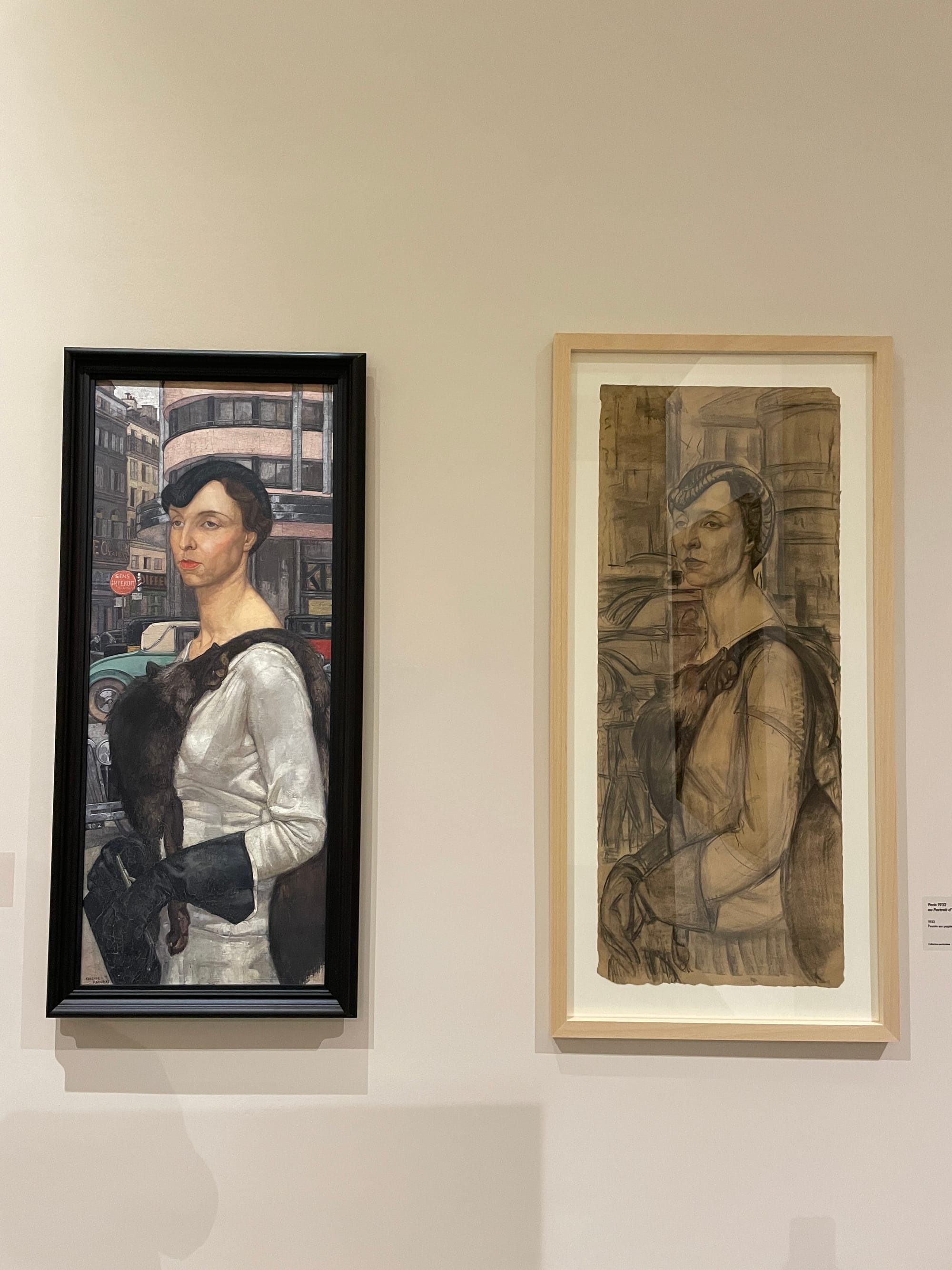
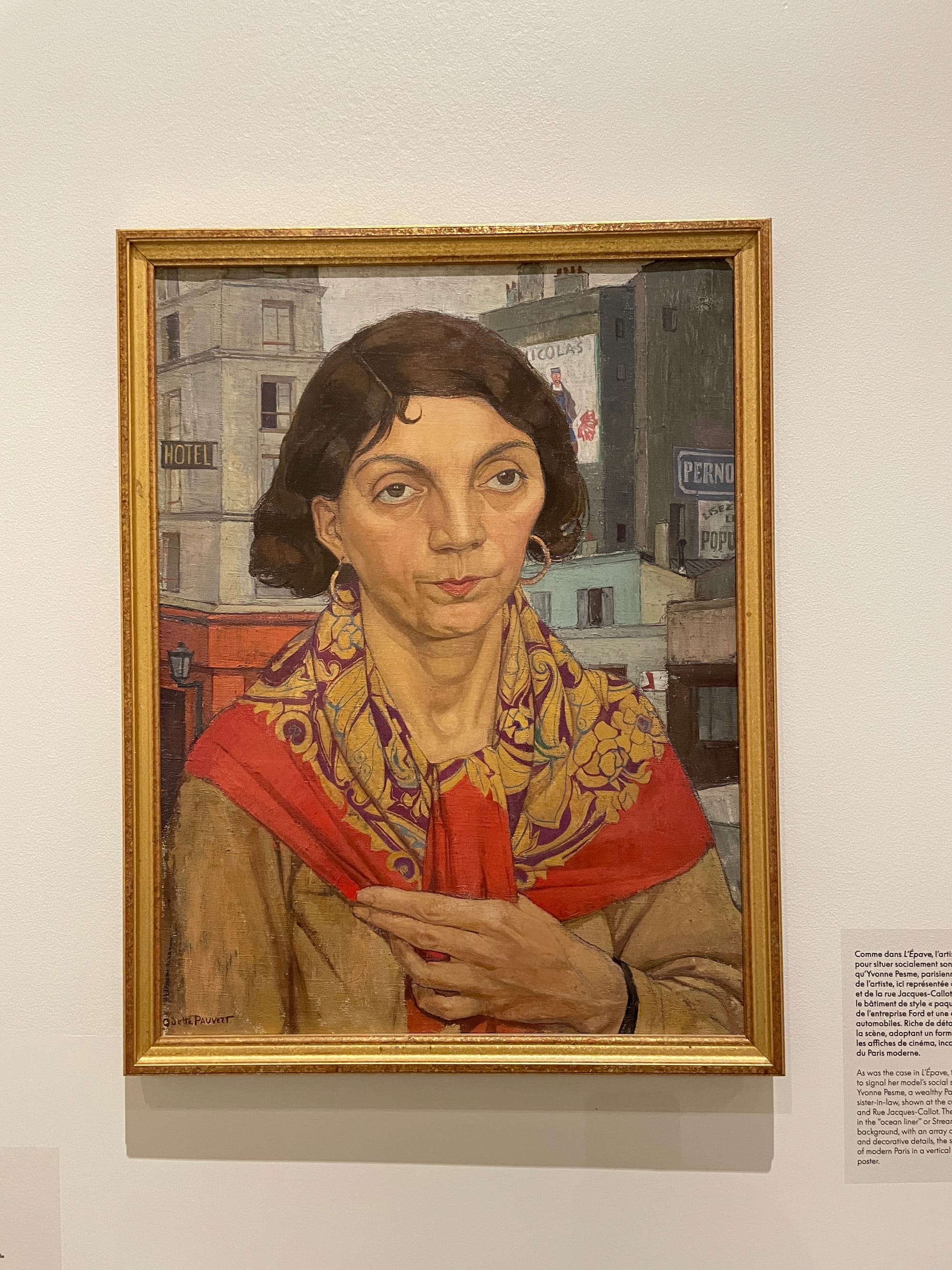
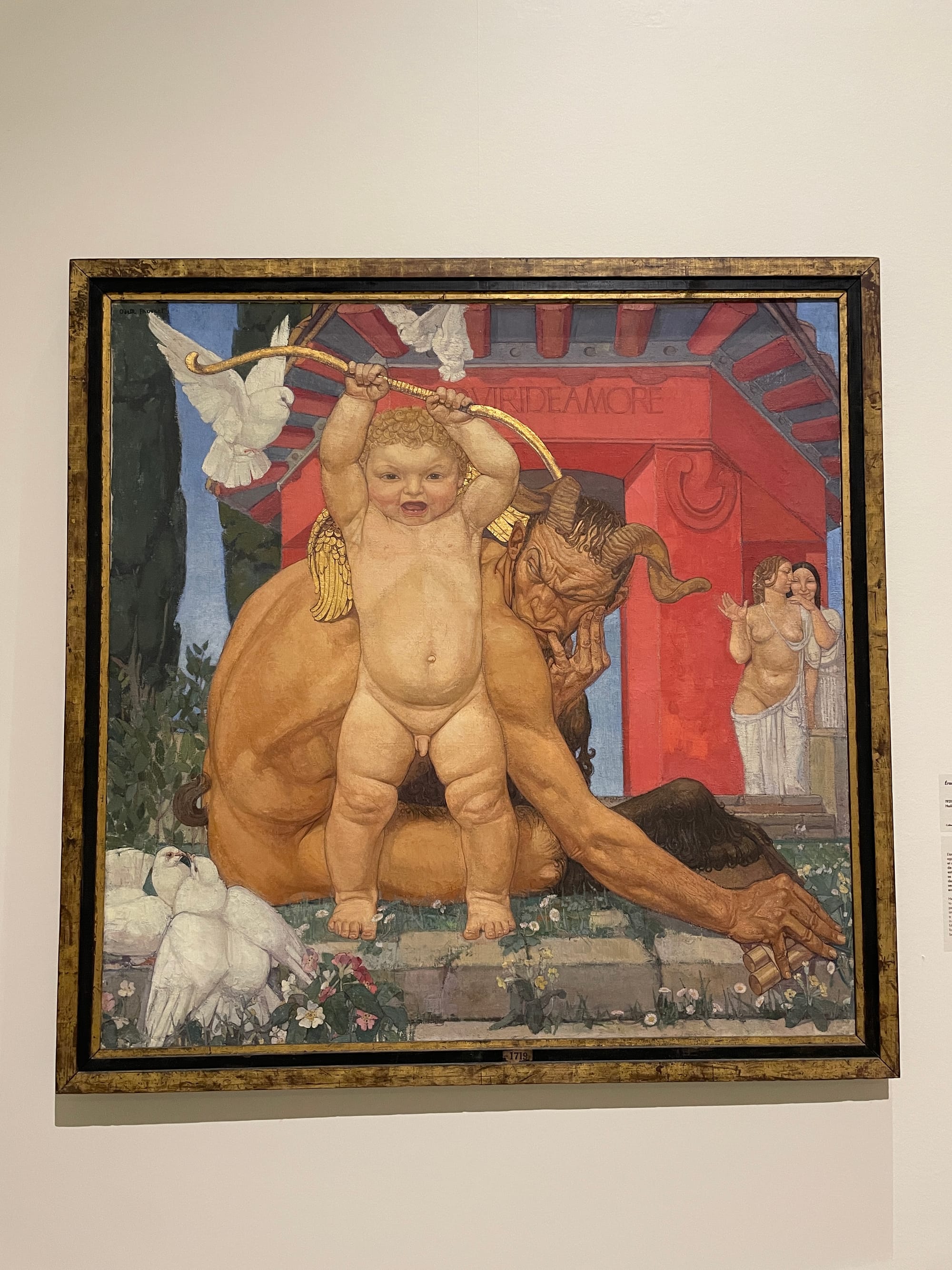
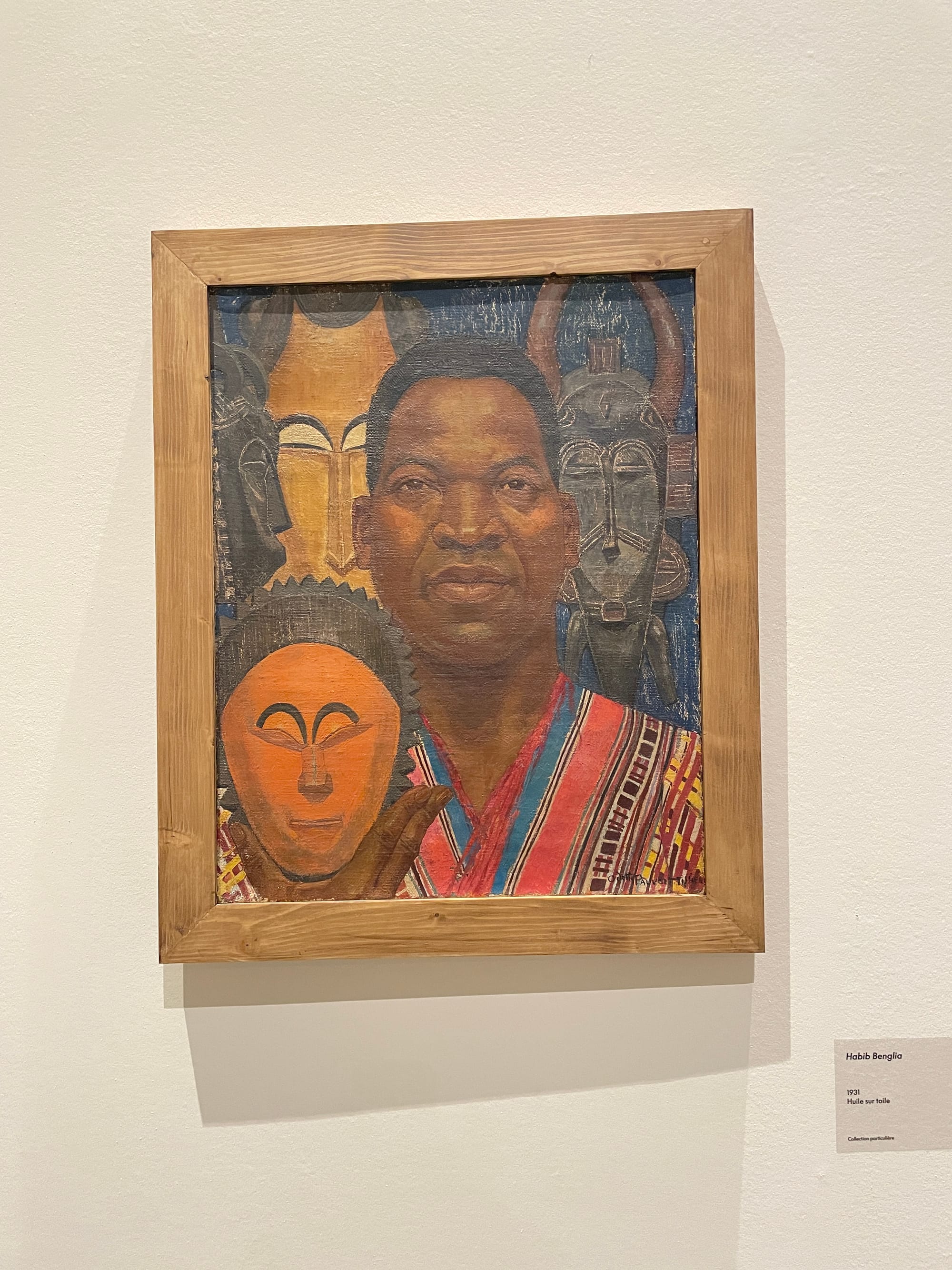
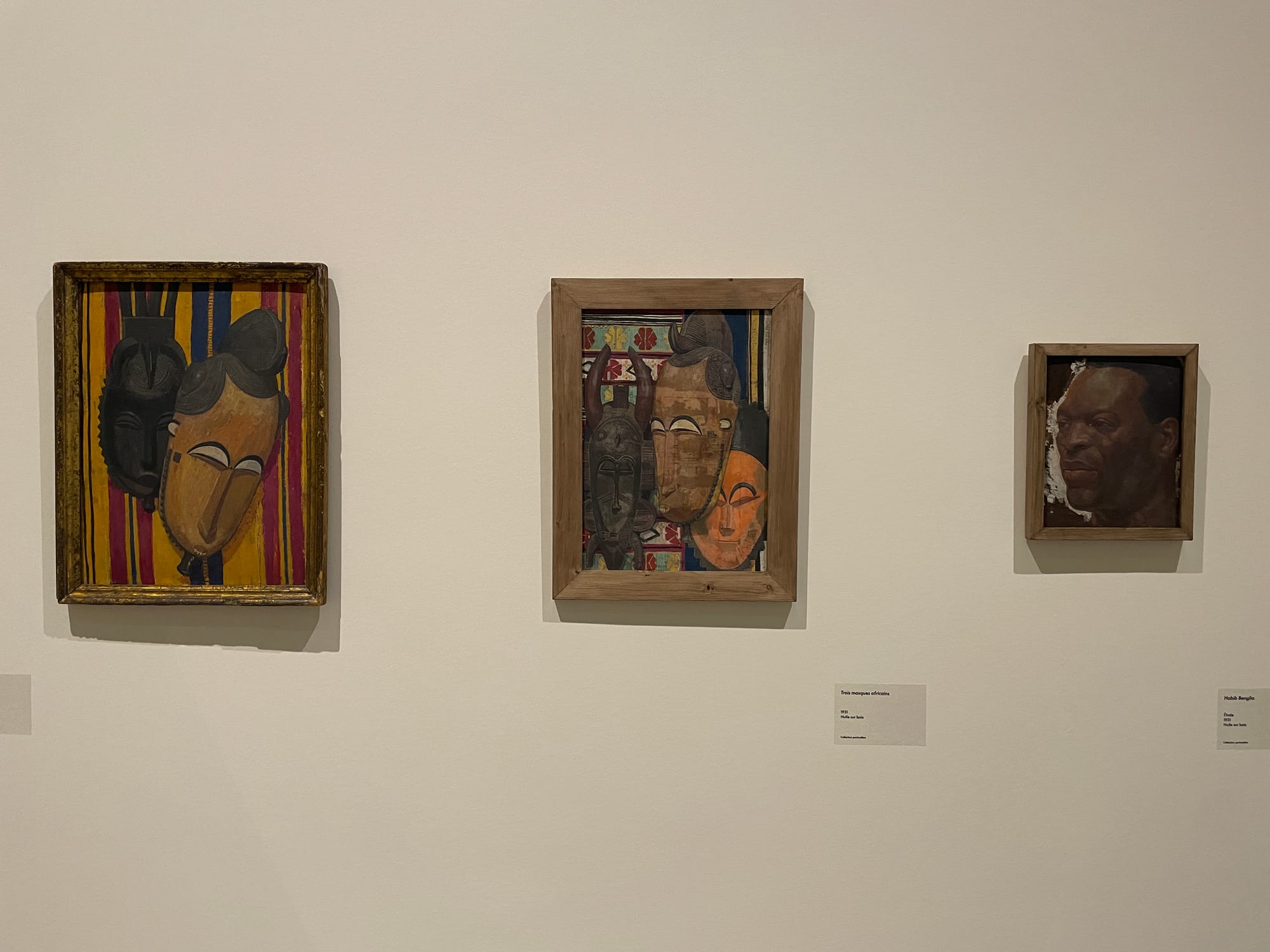
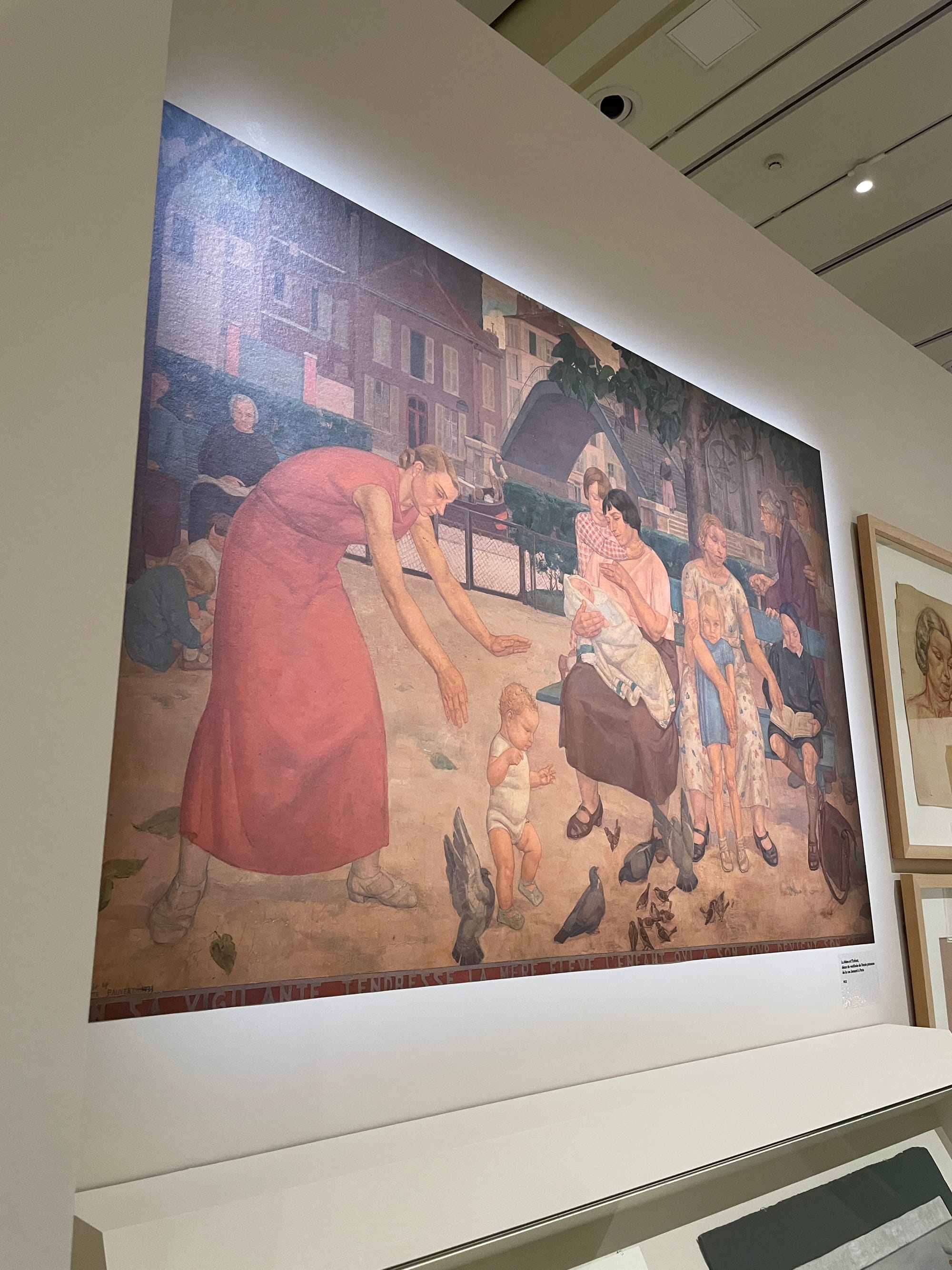
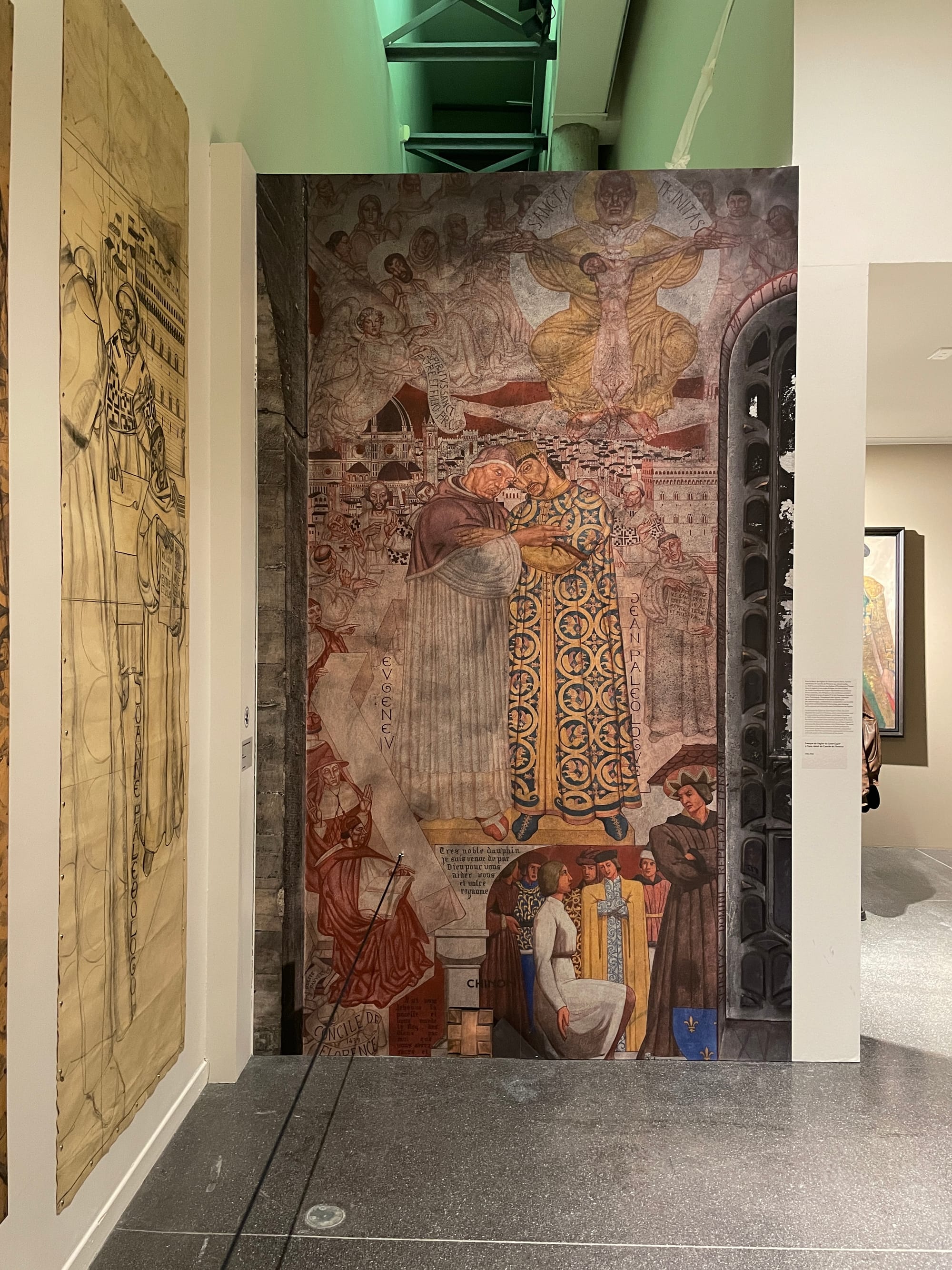
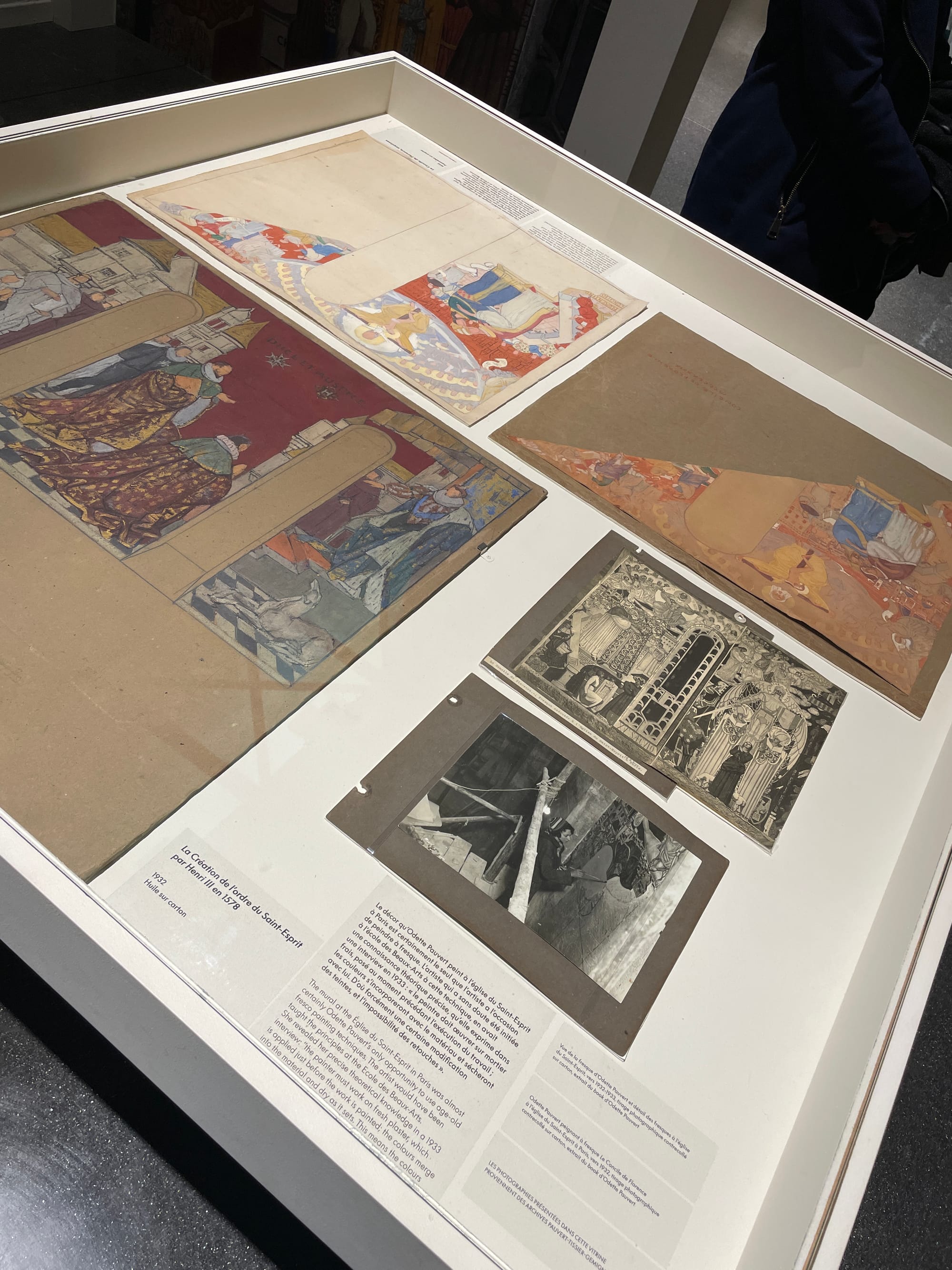
A selection of Odette Pauvert's works in Paris
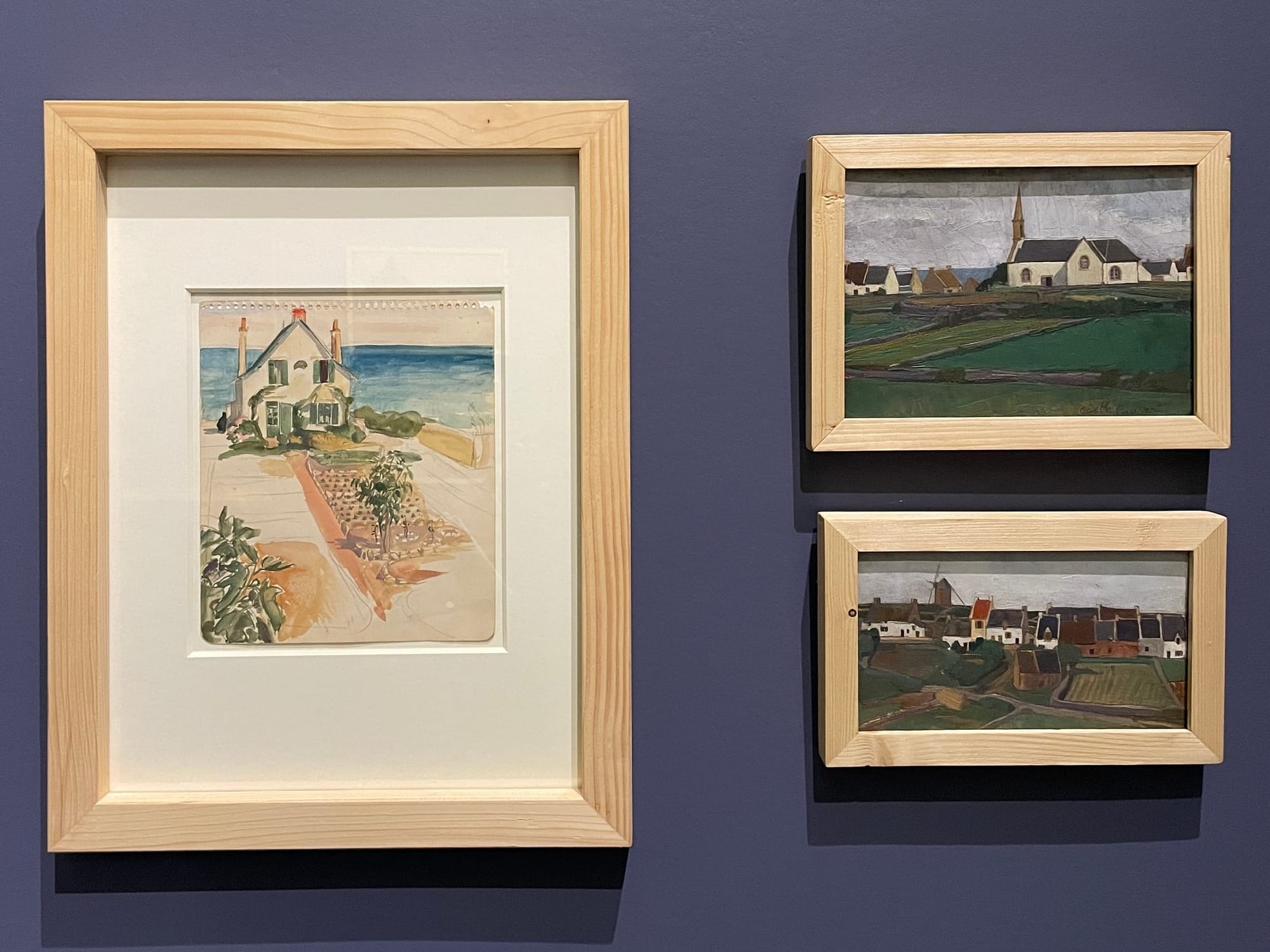
After her return to Paris and some commissioned works made between 1929 and 1934, Odette went on to reside at the Casa de Velázquez in Madrid thanks to a scholarship. There, she came face to face with the Spanish countryside with all its vivid colours and idyllic life. These works were vastly different from her works on the countryside of Bretagne and from the Villa Medici.
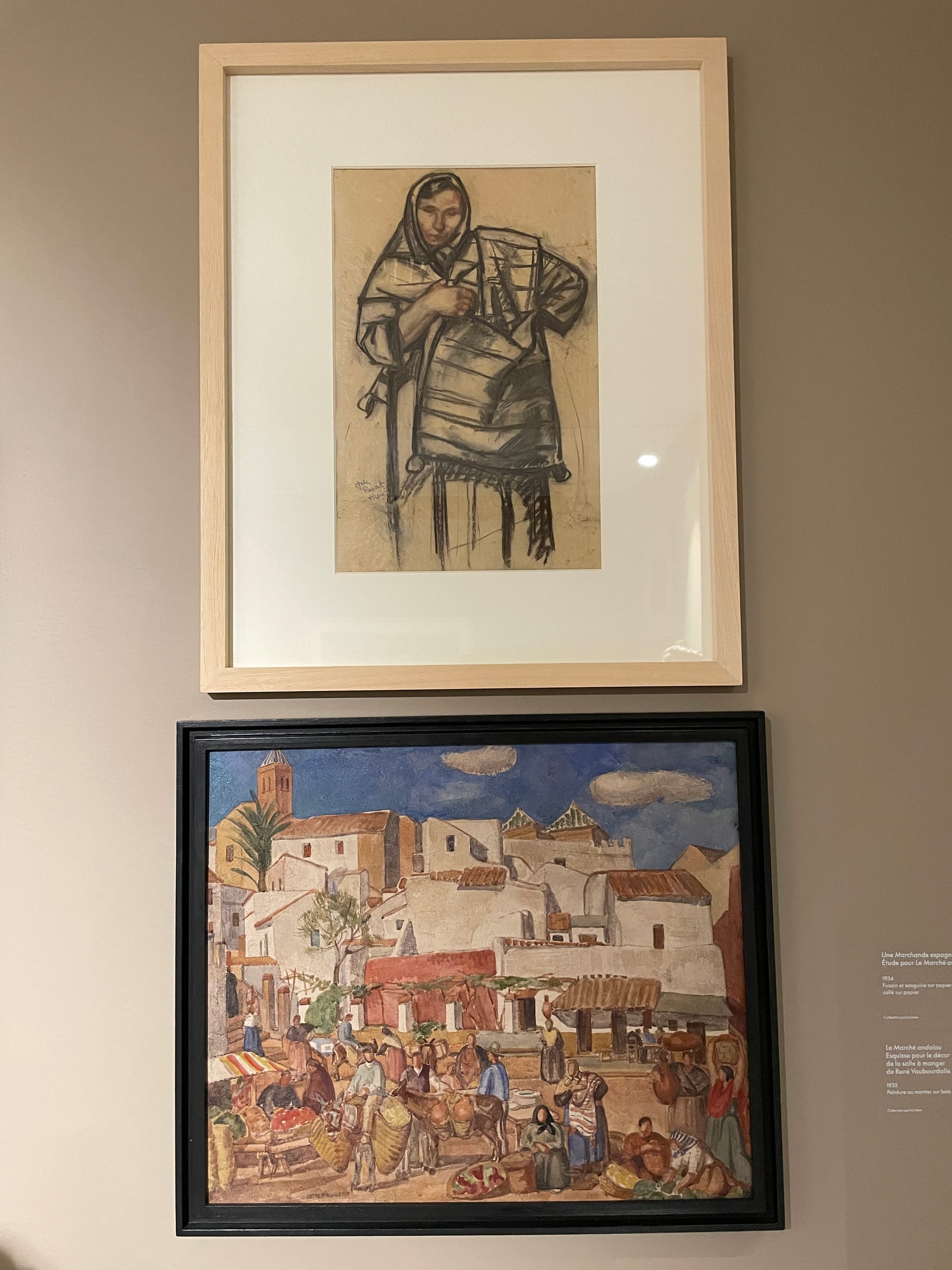
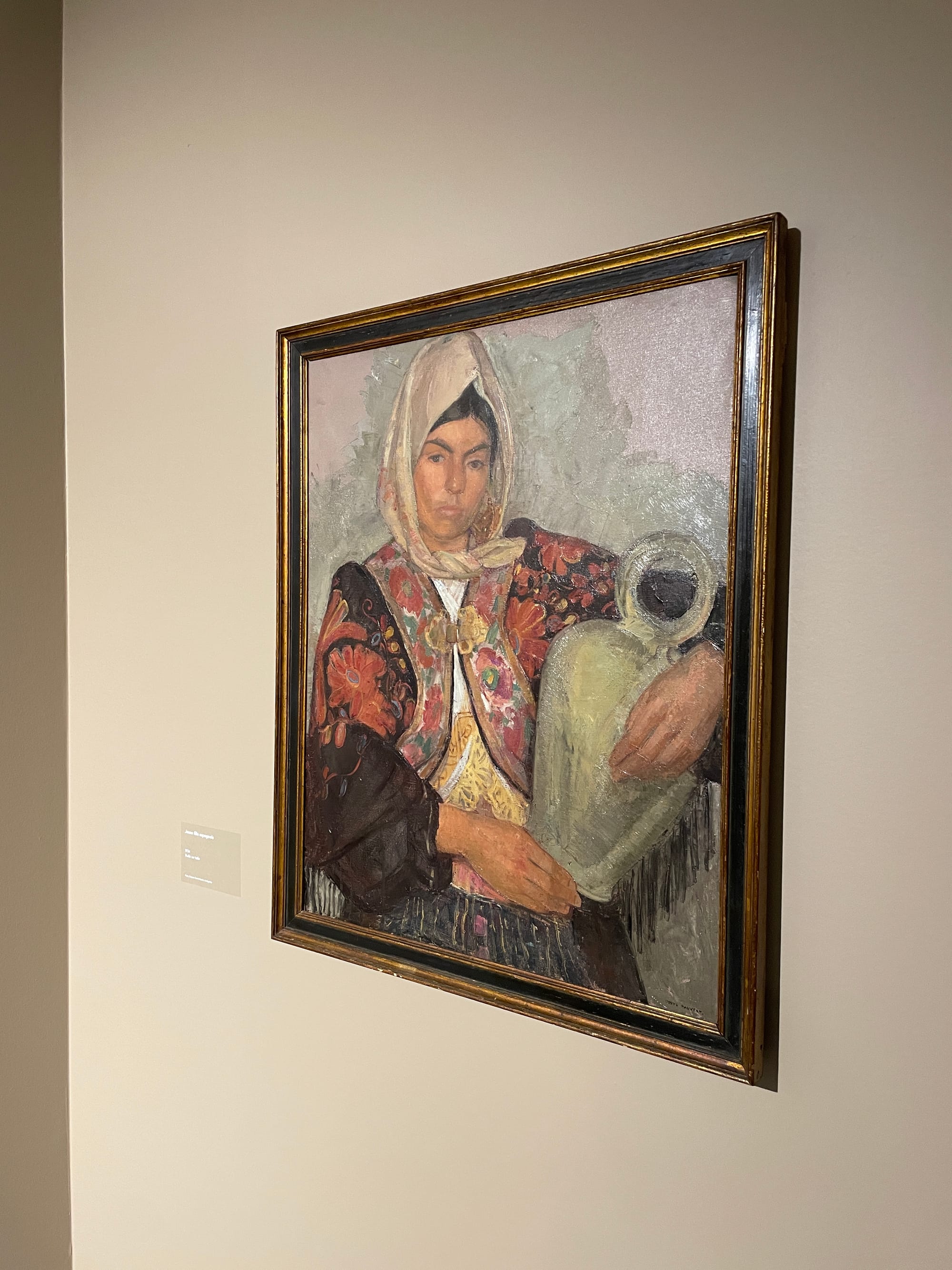
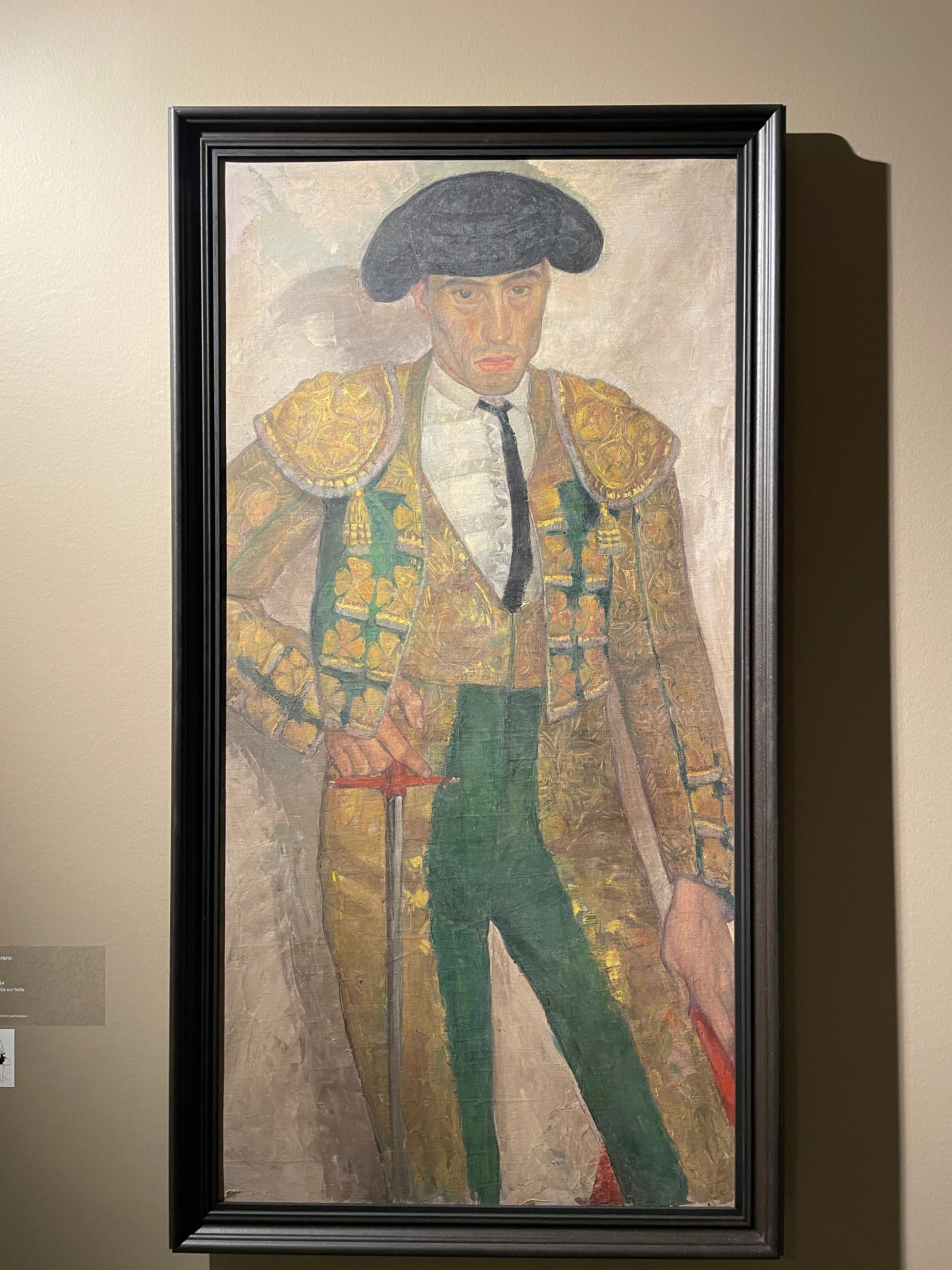
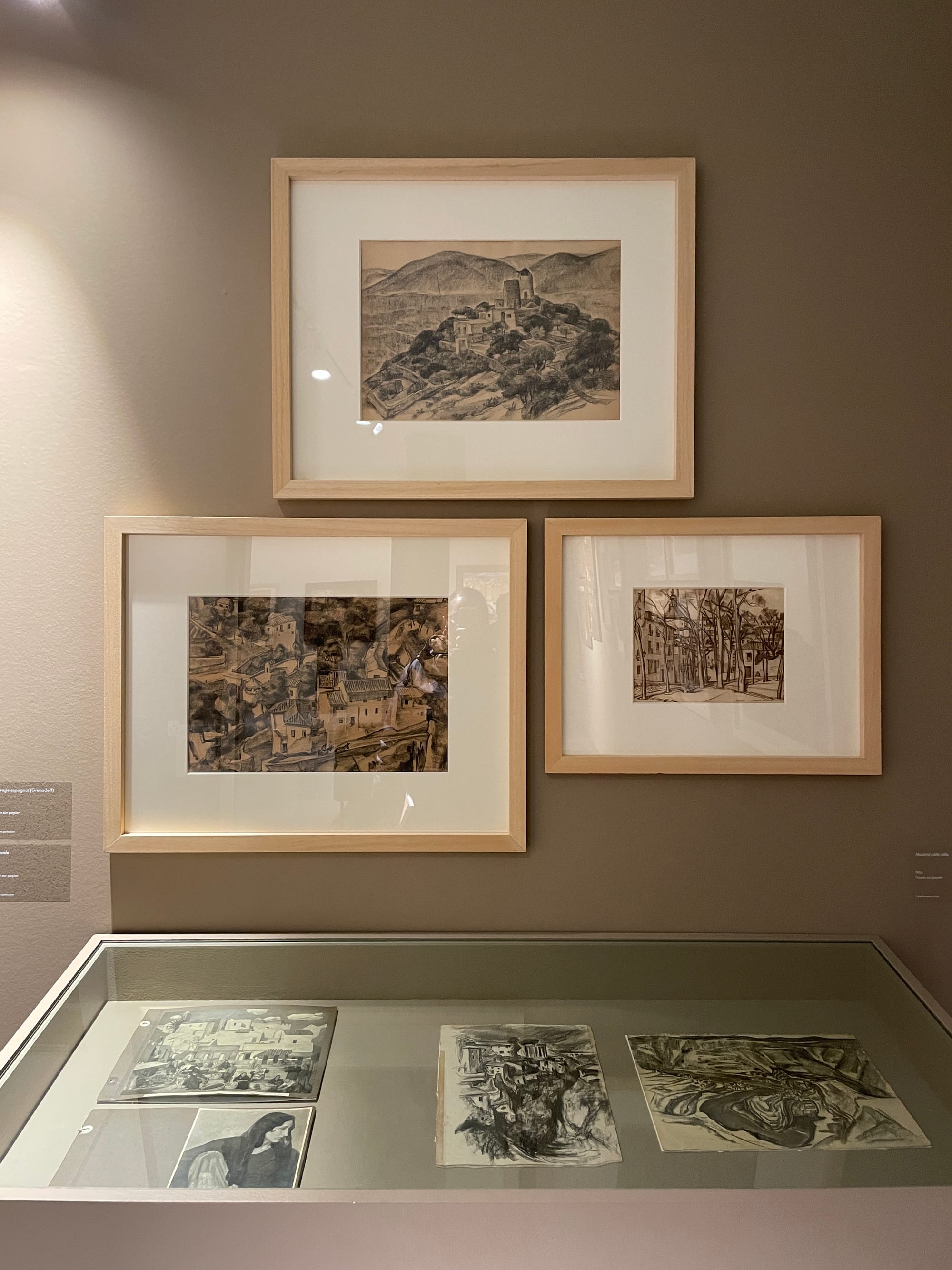
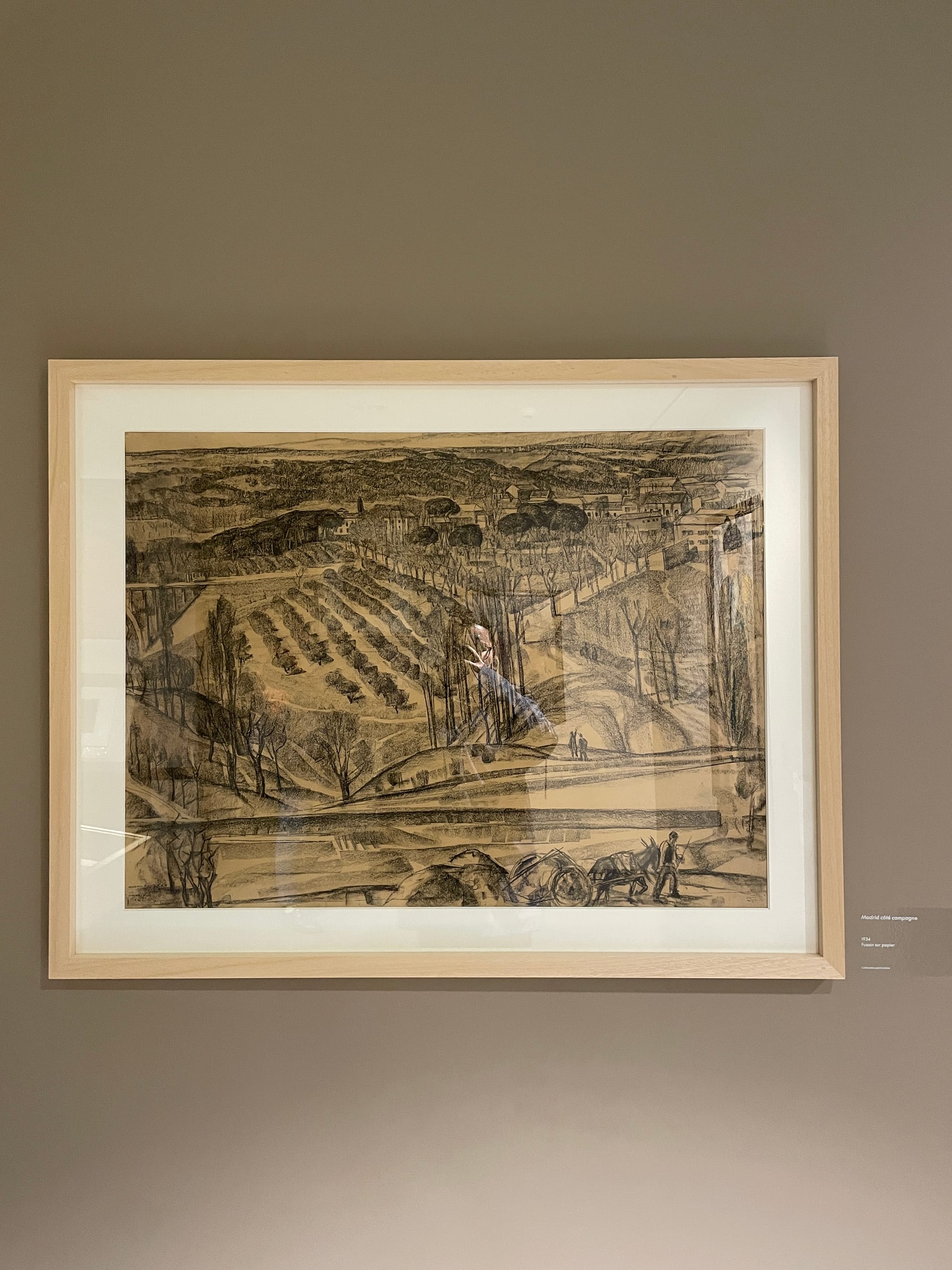
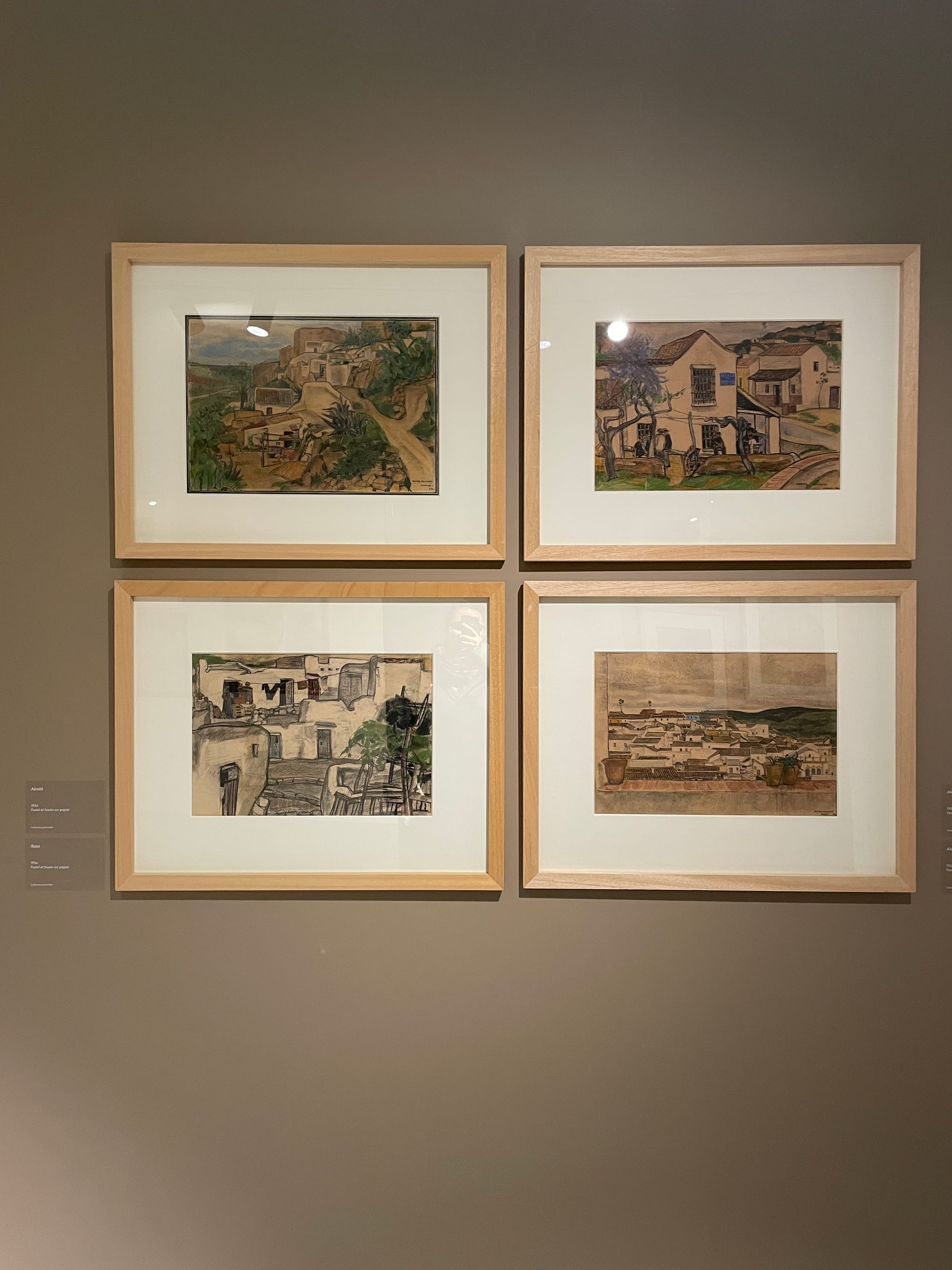
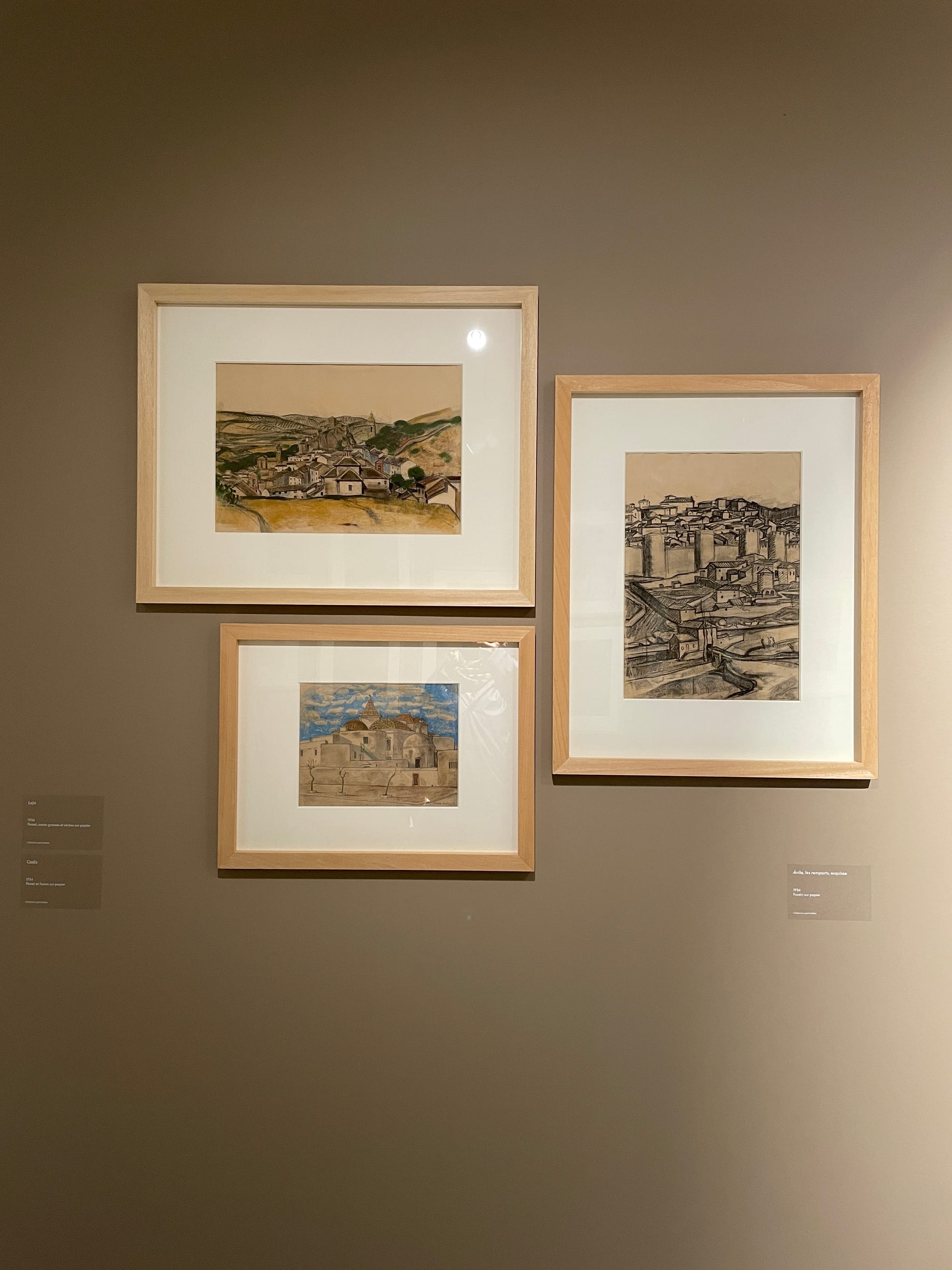
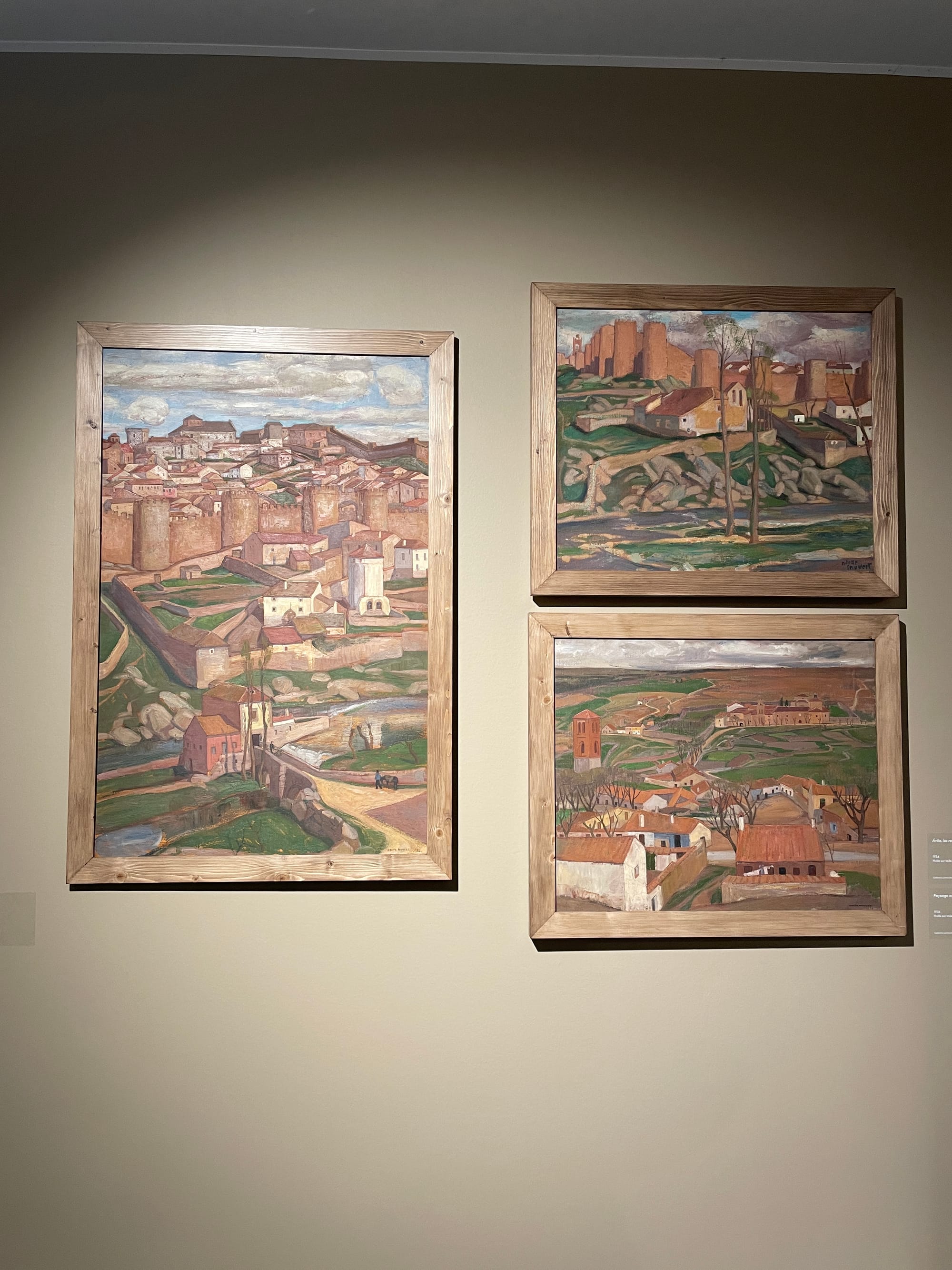
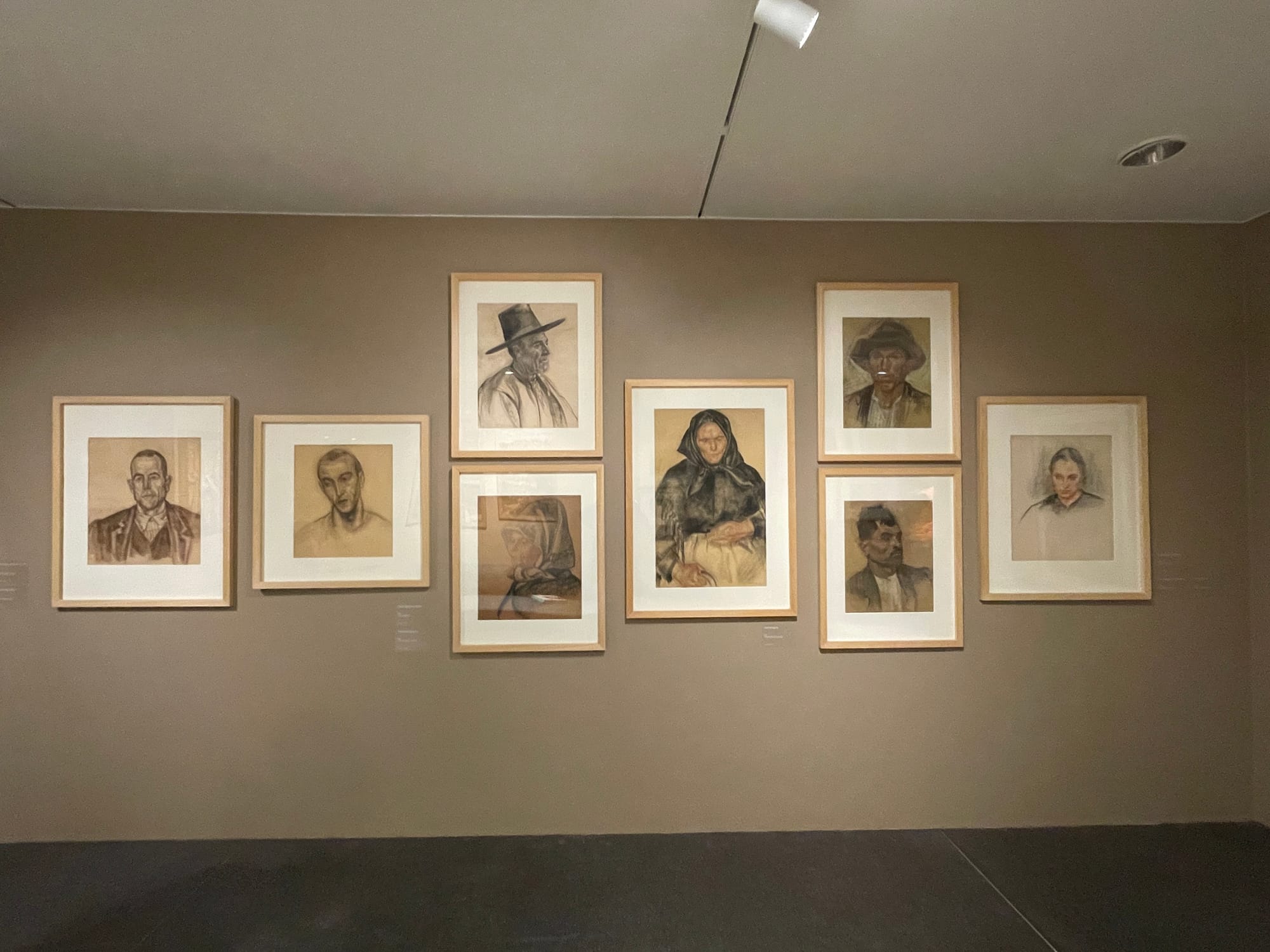
A selection of Odette Pauvert's work as she travelled around Spain
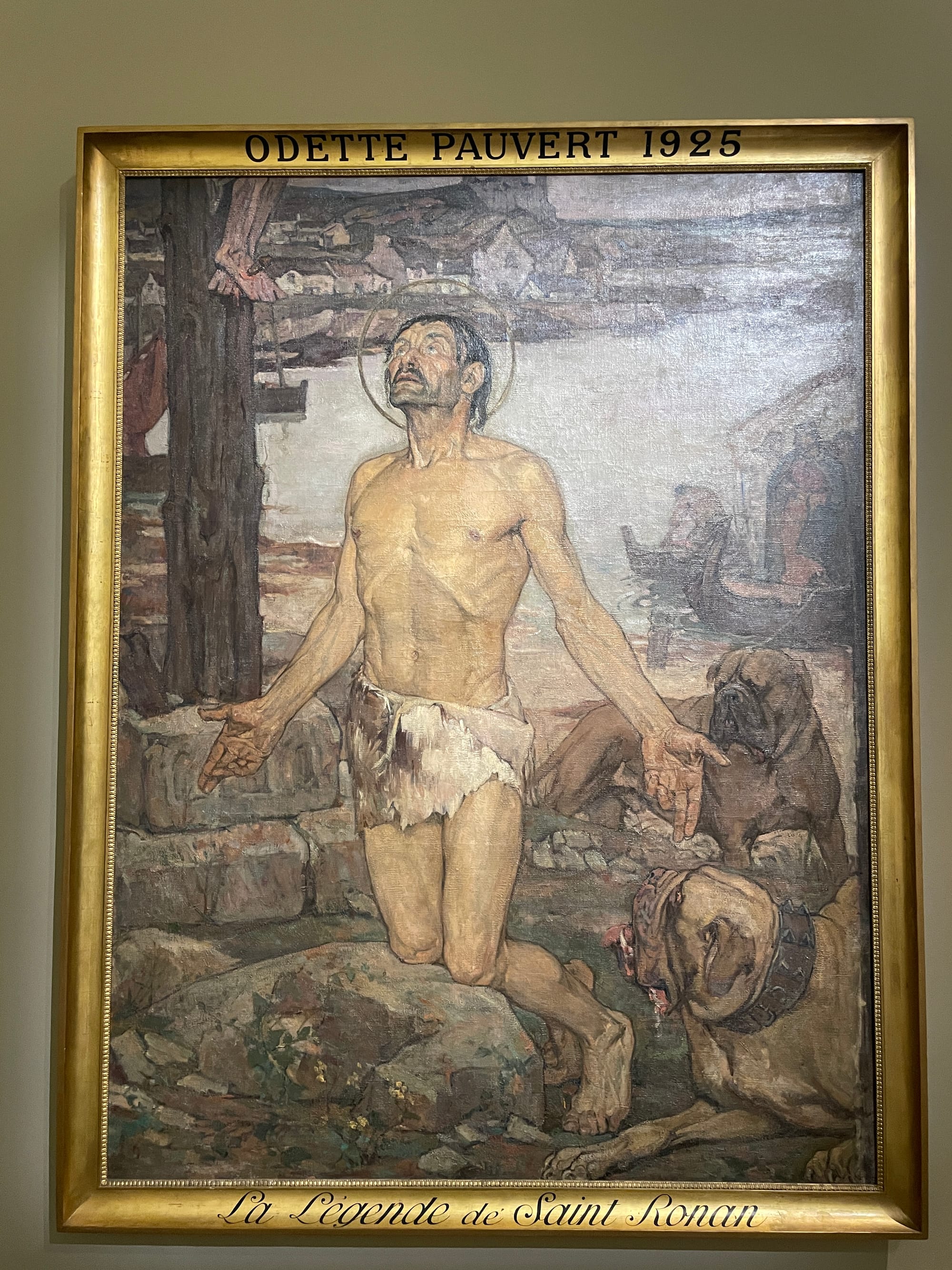
I think what struck me the most was how her style changed and developed over the years not just due to her maturing as an artist, but due to the different life stages as a wife, then a mother, then the 2nd world war happened. There were not as many commissioned work afterwards, especially since the churches and state has moved on to modernism.
In 1947, her husband inherited an elegant apartment in the Champs Élysées yet it was too small for her to have a studio that she had to paint in the family's room. It again reminded me of Virginia Woolf's A Room of One's Own. It was wild to me, because she grew up in a family of artists and her husband himself was an amateur painter, but she couldn't have her own studio to continue her craft?
Overall, I enjoyed the exhibition for the storytelling and the forwardness of the feminist views. I reflected on how a white woman born and raised in a family of artists still had to reckon with barriers of entry to flourish in an industry dominated by men, and still had to deal with being a wife and mother, despite having some help (the family having a governess). What more for women of colour, women with less advantage, to be able to thrive in this world?
Information from the exhibition, Odette Pauvert's Wikipedia page and page on Archives of Women Artists, Research & Exhibition.